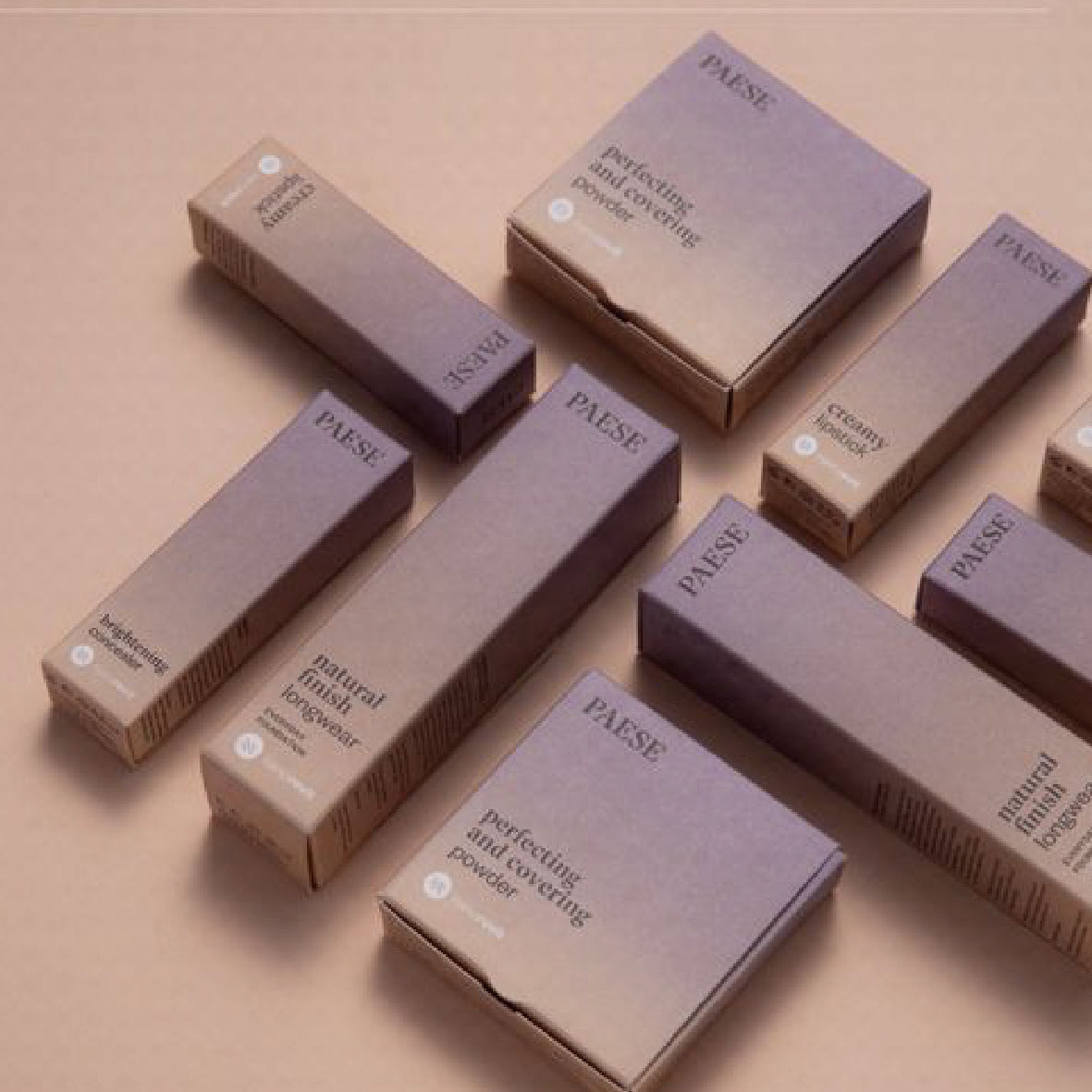
|
Product Design Packaging | The 5th P of Marketing
|
In the world of packaging, there are infinite possibilities and room for creativity.
From simple mailing boxes and bags to magnet boxes, product packaging plays multiple roles in brand identification, product protection, marketing and transportation.
Therefore, choosing the best product packaging design is a complex issue.
|
|
In this article, we'll take a closer look at the relationship between product packaging and packaging design, and share how to design the best box for your product and brand.
|
What is packaging design
How to choose the best product packaging for your products
How to design product packaging for your brand
Box Design Inspiration
|
|
Firstly, what is packaging design
|
Packaging design is a complex process designed to ensure that products are protected during transport and presentation, and can be recognised and purchased by consumers.
From a McDonald's food box, to an Apple product, to XO sauce, to even a raw noodle, almost every product in a shop has packaging.
|
Designing Product-Friendly Packaging
|
Designing packaging that fits a product is more complicated than just putting a logo sticker on a white box.
There are several directions to consider when designing product packaging, including graphic design, physical packaging design, and marketing and packaging design. Each direction has its own unique definition and purpose, and understanding these different perspectives can help you find the best packaging for your product.
|
Graphic Design and Packaging Design
|
From a graphic designer's point of view, packaging design is the way in which a brand's design is reflected in a product's box.
This means that the design concept needs to not only grab the attention of the customer, but also provide information about the product. In packaging design, the graphics and text need to match the concept and style of the brand itself and stand out on the box to increase brand recognition.
|
|
Physical Product Packaging
|
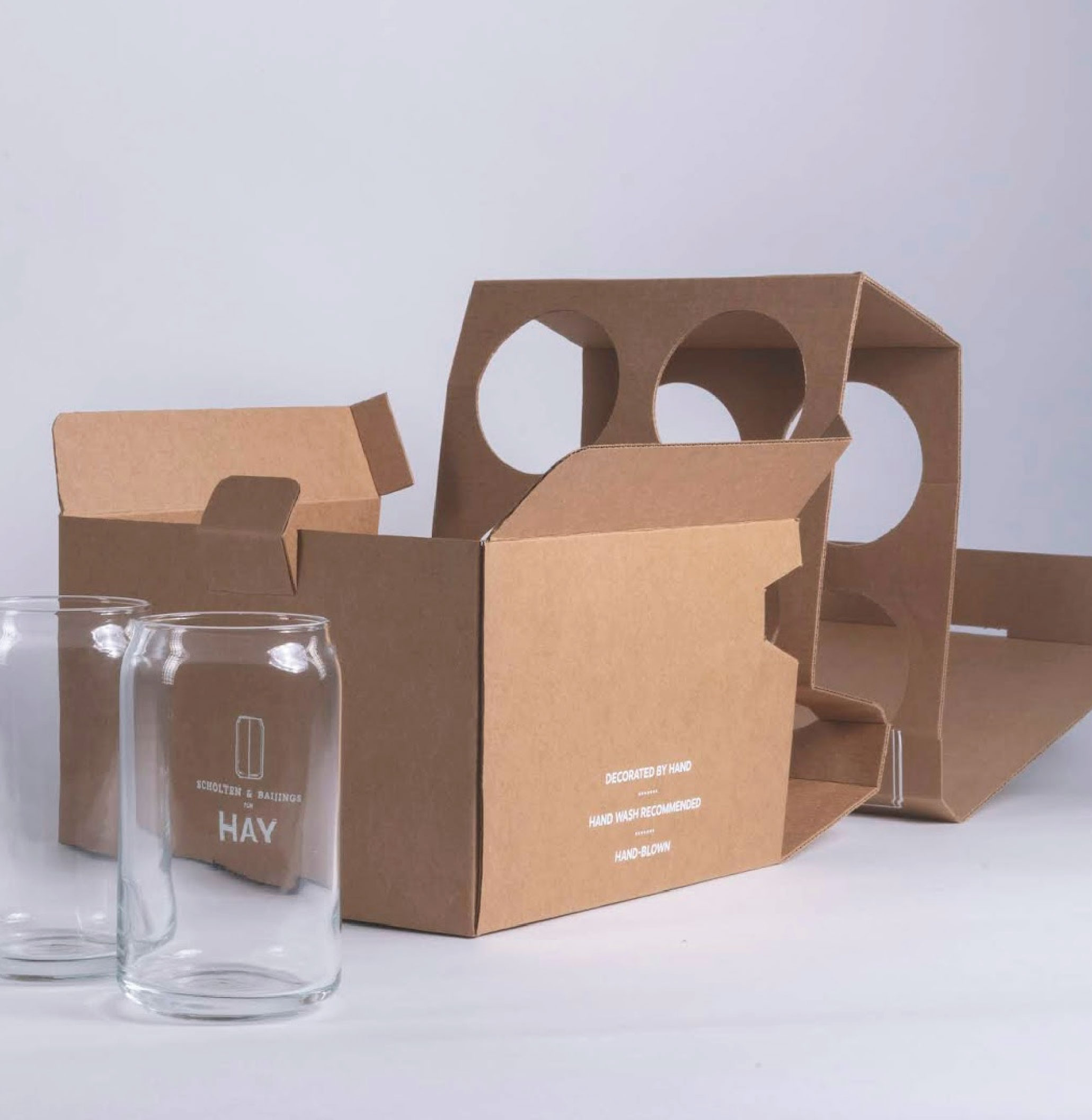
The second factor to consider when designing product packaging is the physical design constraints. While you can design a very unique box, don't do so at the expense of product safety. No matter how "fancy" your custom product packaging is, its main purpose is still to ensure the safety of the product. At the same time, you need to consider the limitations of manufacturing.
|
|
Marketing and Packaging Design
|
The third theme when discussing packaging design is marketing.
Sometimes referred to as "advertising packaging", the marketing of a product's packaging is an important, but often overlooked, aspect of package design.
Packaging design needs to tie together elements of style, structure, material, colour, graphics, content and product information to make a product marketable.
In short, packaging is an element of your marketing strategy.
The goal of marketing is to get the product to the target consumer, so the packaging needs to be designed to meet the preferences and needs of the target consumer. When designing product packaging, you need to take into account the characteristics, preferences and needs of your target audience to ensure that your packaging design captures their attention and motivates buying behaviour.
It needs to:
Appeal to a specific/ targeted consumer segment
Highlight the product's Unique selling point
Spread your brand personality
|
|
“Consumers act when a brand makes them feel something. When someone looks at you, you're compelled to look back to determine the nature of the attraction. That's your survival instinct at work.。”
Simon Preece of Forbes Magazine
-
Stirring up consumer emotions is key.
Packaging is the most natural medium for getting customers to notice a product they haven't purchased. Unique shapes, patterns or colours can make your brand stand out from the competition on the shelf. The smaller elements come into play after the customer's attention has been drawn to the product, and the communication of content and pattern builds love and trust between the product and the customer.
|
|
Before you start designing your product...
|
Your product packaging represents your entire brand and, in addition to informing consumers about the product, it also associates the product with your brand. Therefore, you need to integrate the product and your brand on the product packaging.
When designing your product box, please make sure it is ready:
|
If this is your first time designing product packaging, then the centrepiece of your product packaging design is likely to be your brand logo. You can use a simple logo or a complex design on your product box, but either way, the logo needs to be used in the packaging design.
Be sure to use high-resolution originals to ensure clarity.
|
In addition to the logo, your brand may have a number of associated colours. Echoing these colours on your product packaging is a great way to quickly communicate your brand's impact. Using a consistent colour palette across your physical shop, products, website and packaging is a core element of brand consistency.
So, when designing your product packaging, make sure you use your brand colours to ensure a consistent brand image.
|
Fonts are an important part of packaging design and can help you highlight the unique selling points of your product. A brand logo may be an ordinary font, but you may need to use a special font for your product packaging.
When choosing a font, pay attention to the ideal thickness and spacing of the letters - small elements that are often overlooked but actually blend in with your packaging design.
|
|
Packaging Materials
Next, we will introduce the types of packaging materials that are commonly used for packaging products.
|
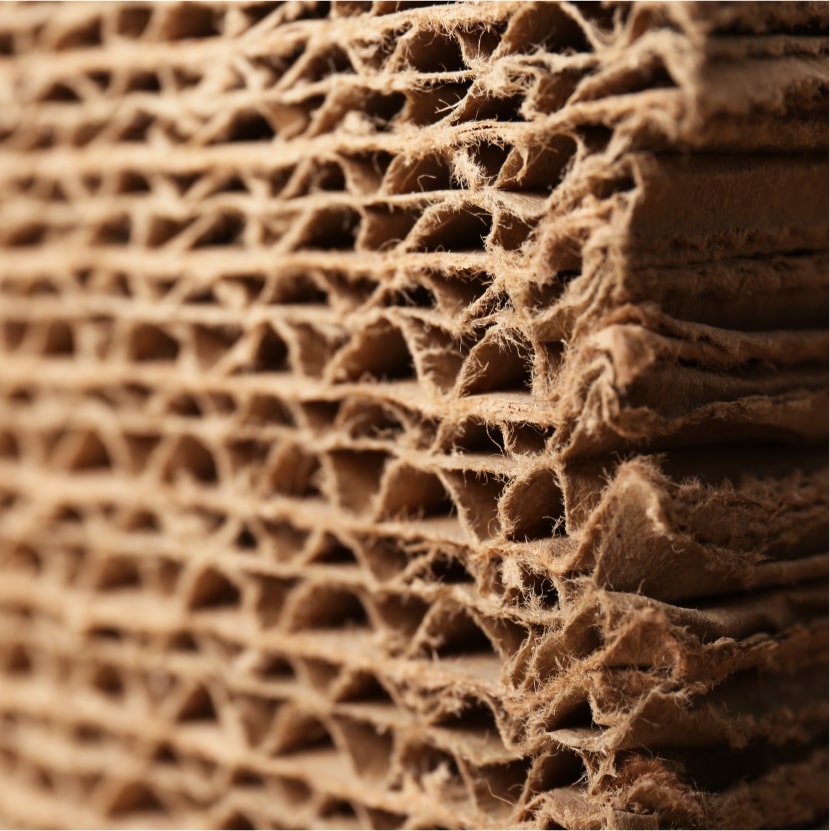
Cardboard is one of the most popular packaging materials.
Commonly made from at least 90% recycled material, cardboard fibres are common in the e-commerce and retail industries. Lighter and stiffer than wooden boxes, it is easy to cut to size and protects the products inside the package from damage.
It can also be printed with different colour patterns and text on the outside, which is relatively inexpensive. The perfect blend of lightness and rigidity makes it the preferred product packaging solution for heavy items such as shoes, and also for many e-commerce shops because of its popularity.
|
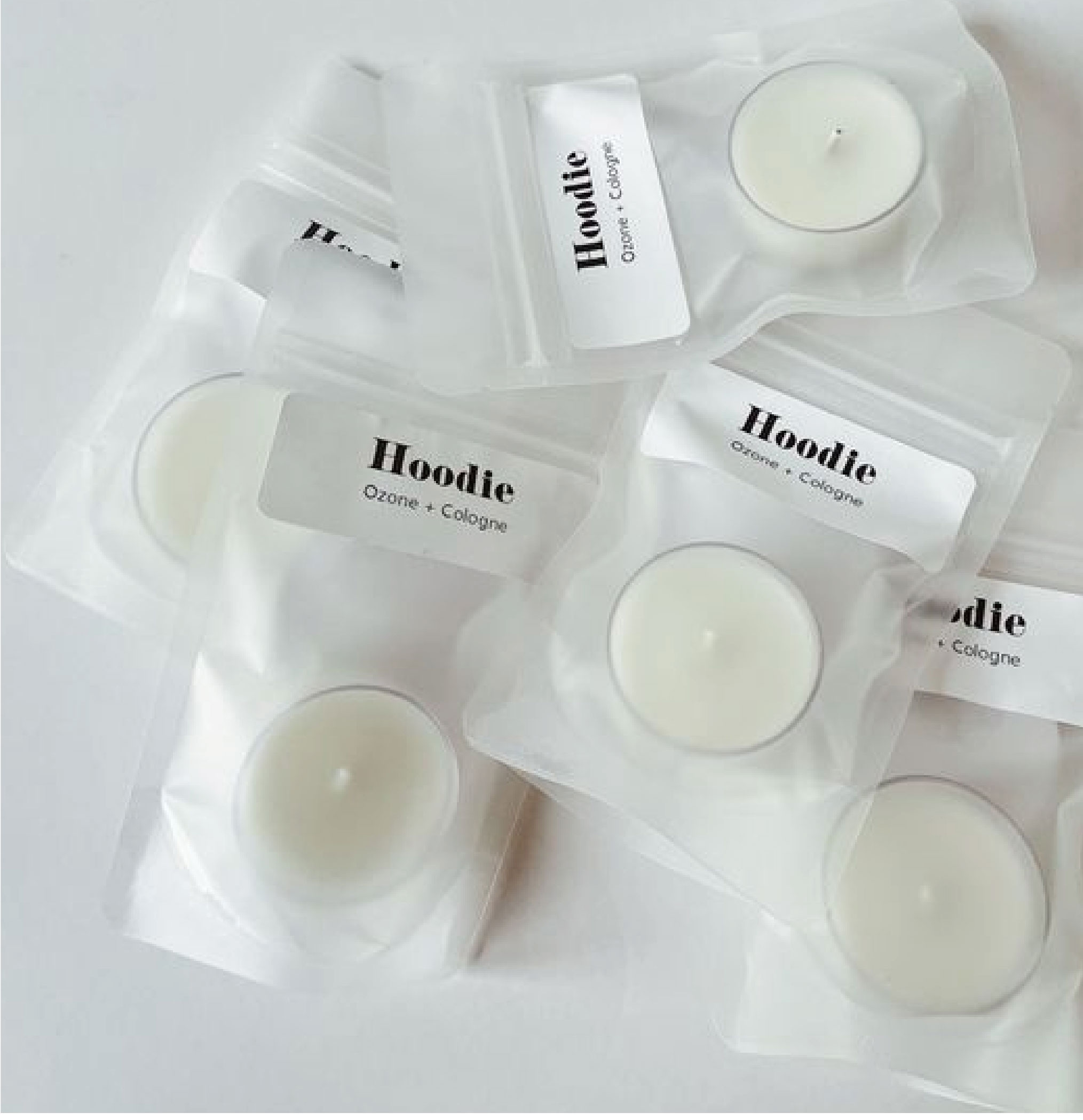
PP is a plastic material that is commonly used for mailing bags and other extremely lightweight packaging solutions. It's a waterproof and durable plastic that's great for shipping, and PP bags can be printed on just like regular paper.
But there are more and more brands that want to reduce the amount of plastic packaging, which is a great way to take a stand against the environment. A simple mailing bag is a durable and waterproof packaging solution for clothing and small accessories.
|
|
Glass and Aluminium Packaging
|
Glass is commonly used for food and beverage packaging. Although it is completely non-biodegradable, it can be economically and efficiently recycled as it does not contain any plastic or petroleum-based raw materials. However, the design of glass packaging is quite restrictive.
Although it can be made into a variety of shapes, there are no printing options other than traditional paper labels.
Finally, there is aluminium - a very lightweight packaging material that is mainly used in the production of cans, beverage cans, and certain types of food packaging.
|
|
Packaging Design Inspiration
|
|
So you've learned the key components of quality product packaging design, now it's time to get your creative juices flowing.
Here you will see a variety of packaging designs and also see why these types of packaging are good.
|
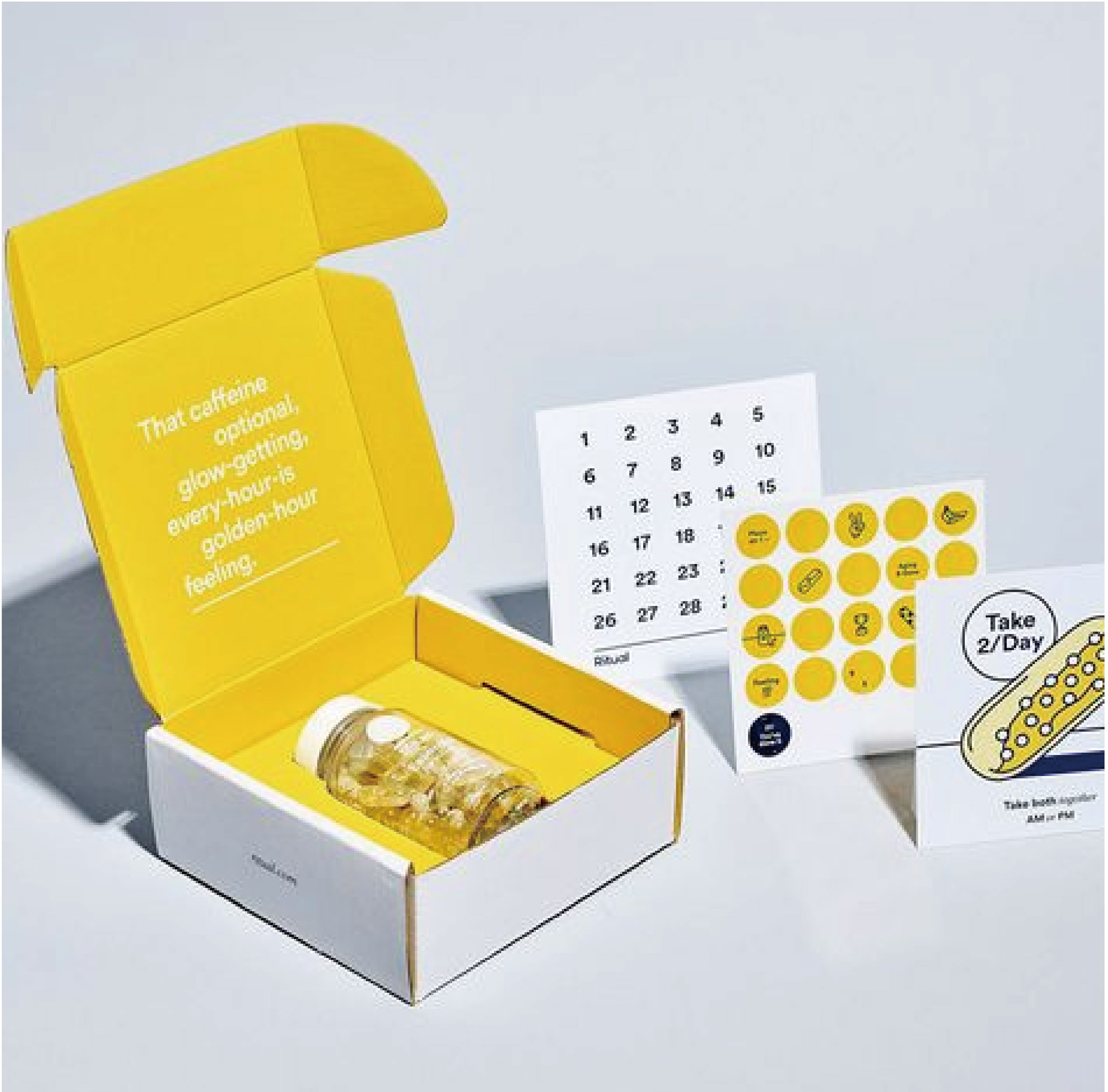
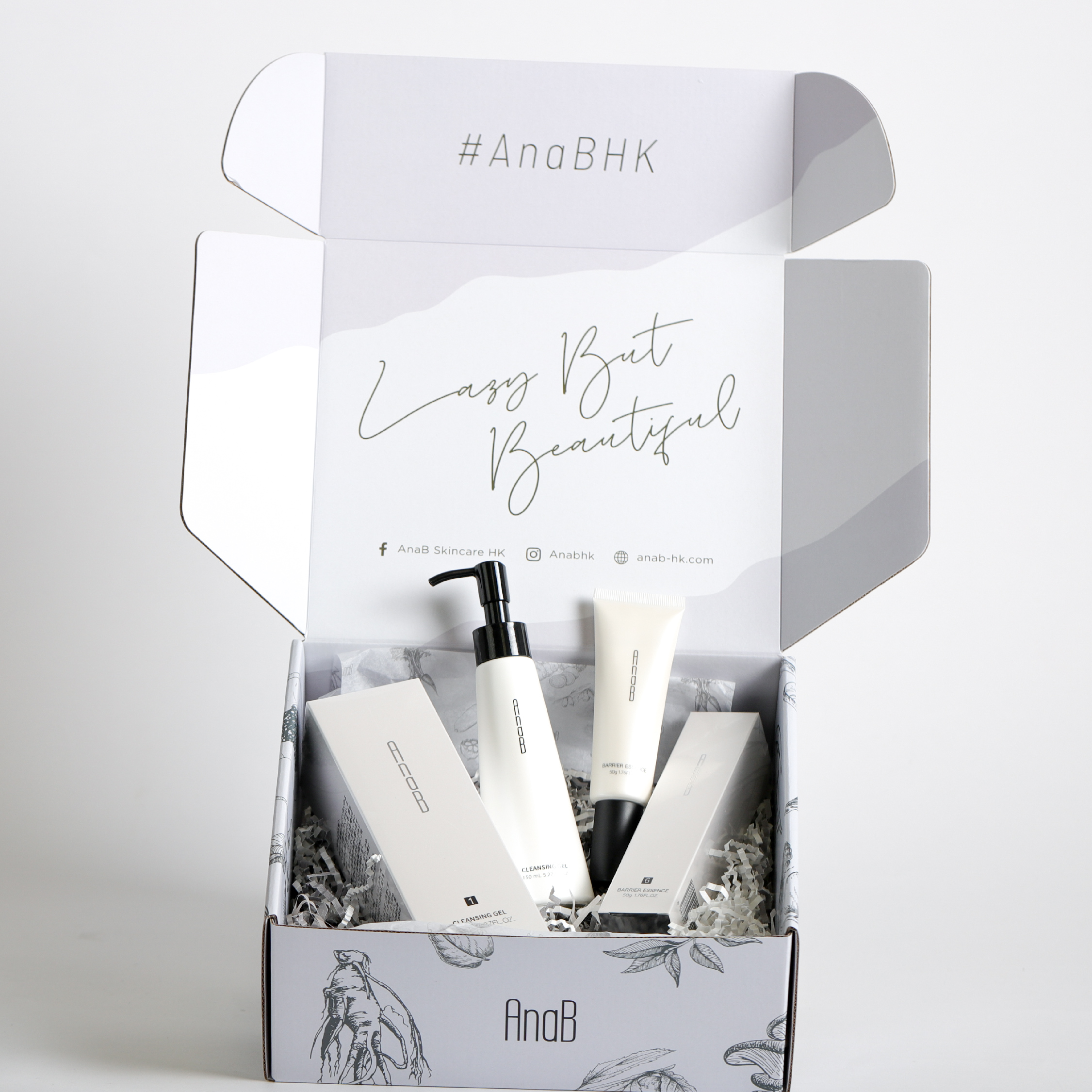
Innovative packaging designs are popping up all over the market. Whether it's product packaging or eco-friendly packaging materials, innovative product packaging boxes can help you show off your brand's energy and creativity.
Getting consumers to reuse your packaging is also a great way to innovate and extend its lifespan.
|
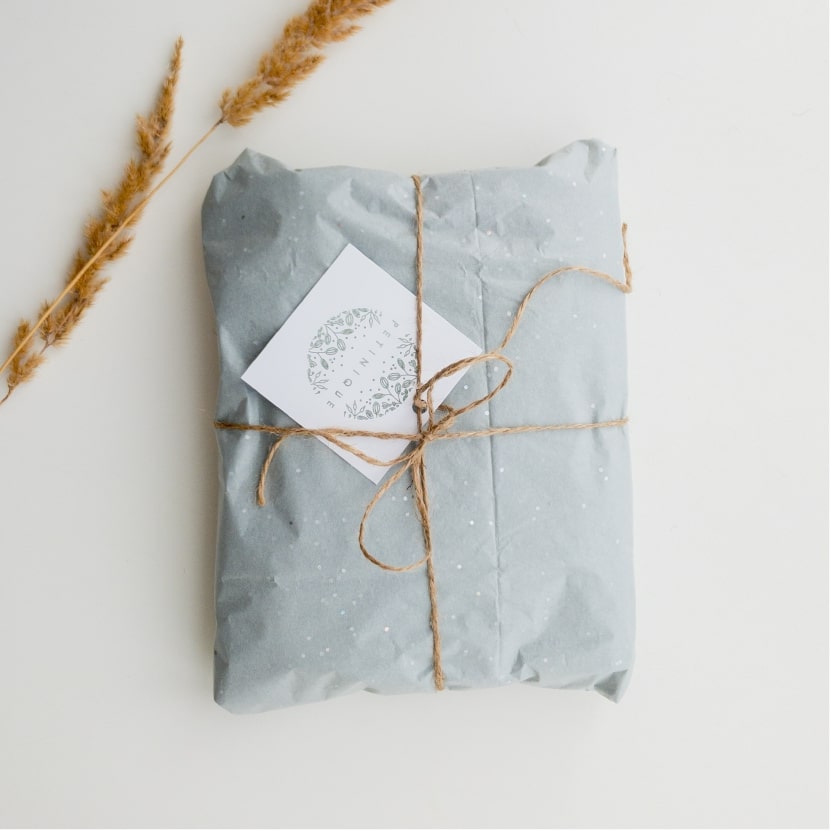
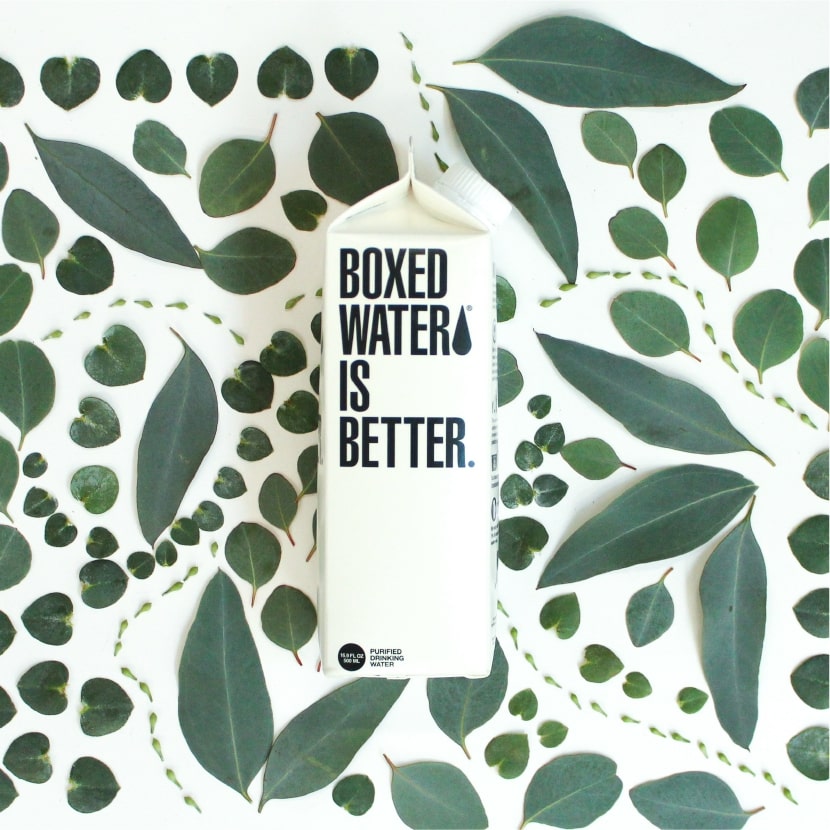
Minimalism is a design trend that originated in Scandinavia and Japan (Muji), where we often create minimalist packaging designs with a simple logo: from product boxes in physical shops to shipping boxes in e-commerce shops, minimalism is a universal and popular design trend.
|
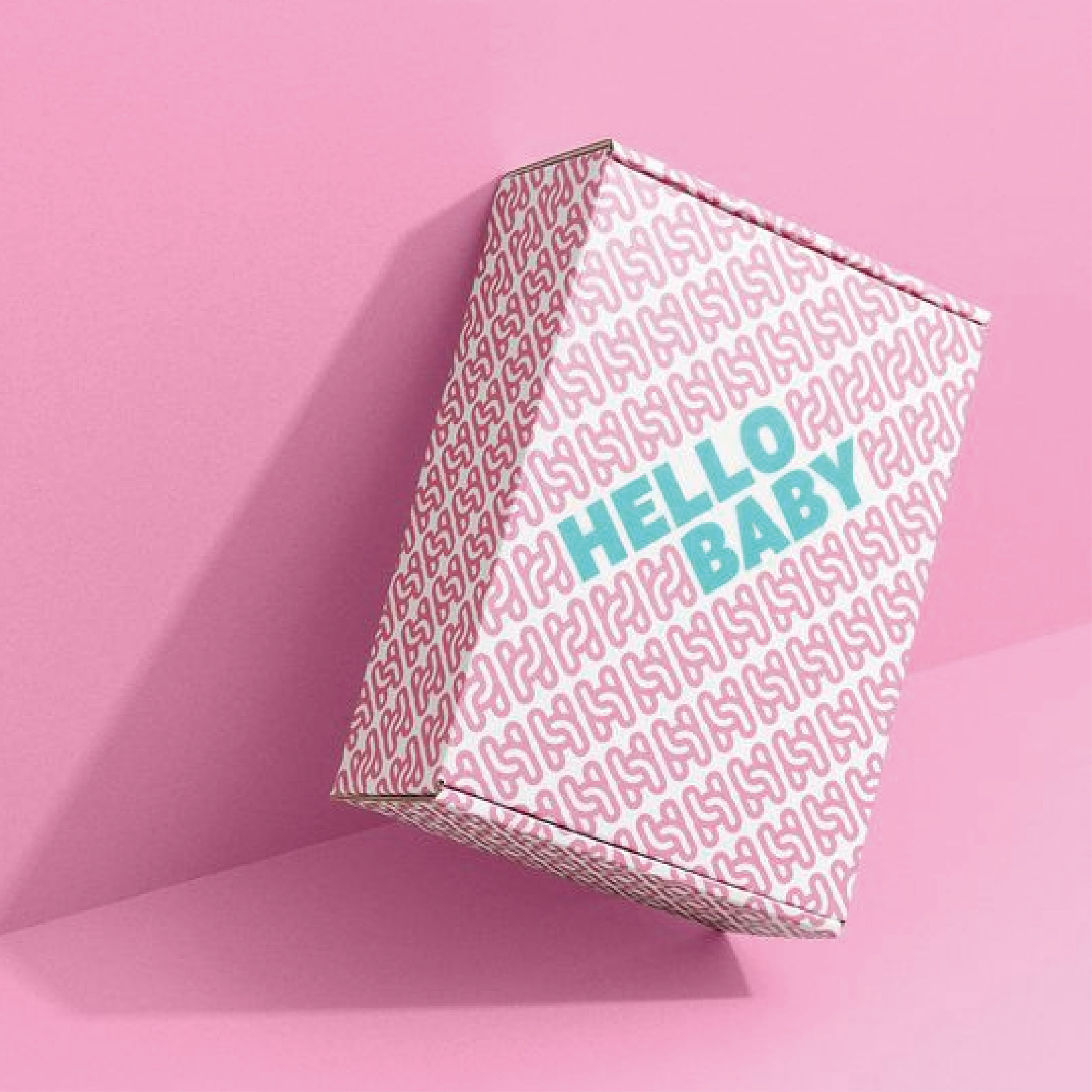
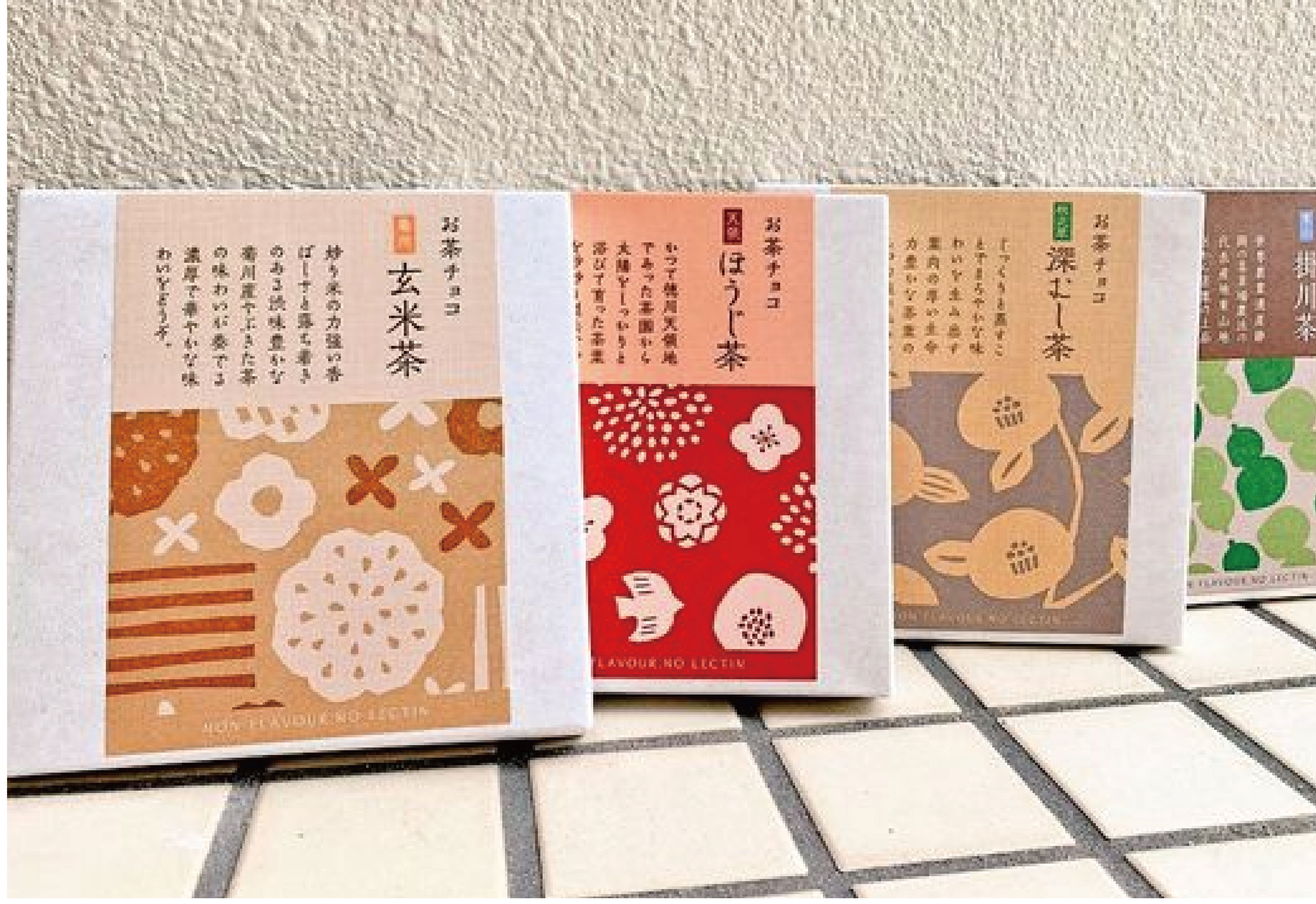
The human brain easily remembers repetitive patterns, pattern recognition can make our brain unconsciously connect to some feelings and memories, it's easy to understand why it can be effective in packaging.
Some patterns can be made to look like specific textures, such as wood grain or animal fur patterns.
|
|
Packaging design with a cultural feel
|
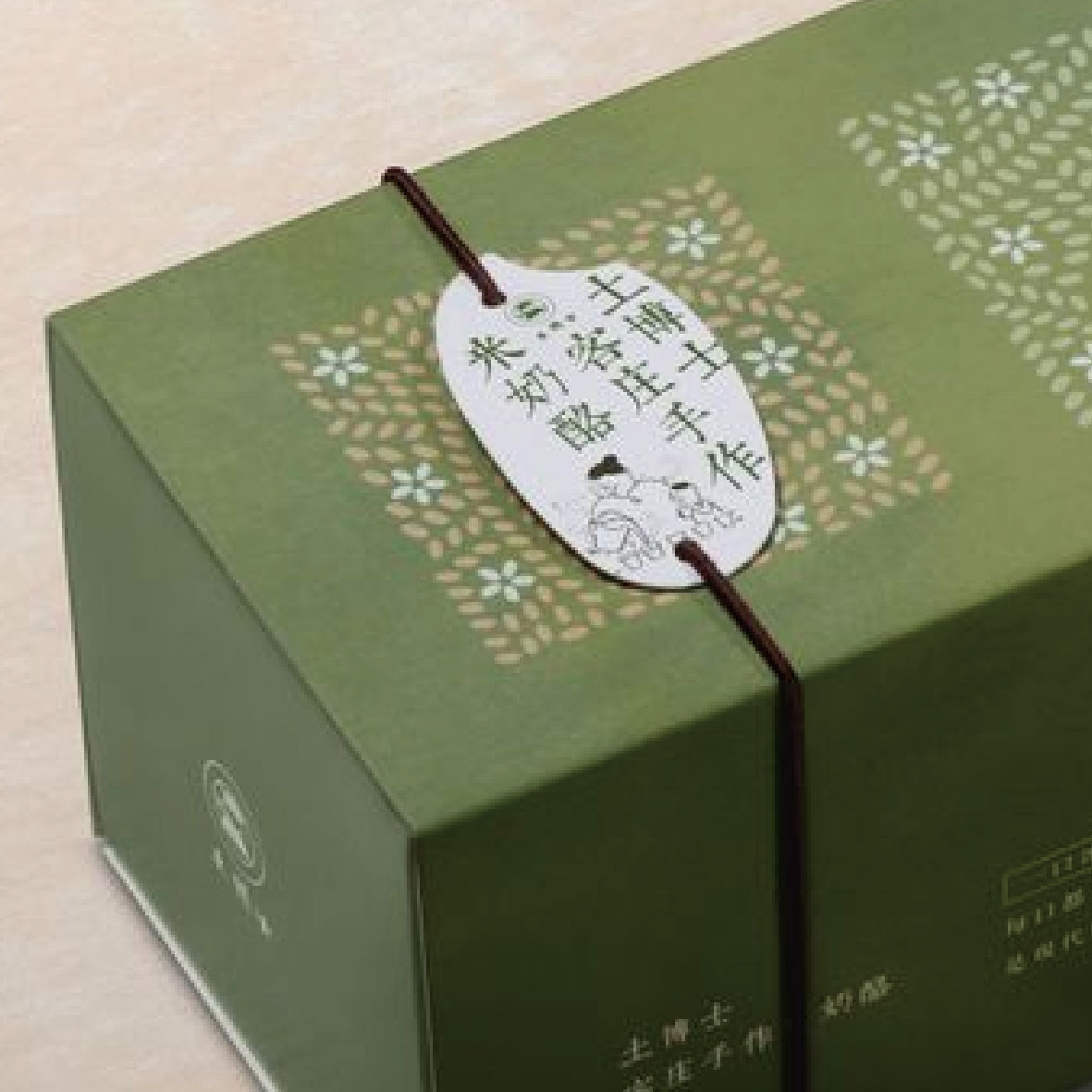
Designing graphics or images that are tied to a regional culture or community is a great way to appeal to a specific target market and communicate with the target consumer in a culturally aware way. Limited edition products associated with specific festivals are ideal for packaging with similar themes.
|
The term "modern" is difficult to define and is most simply described as a trend or fad that is happening right now.
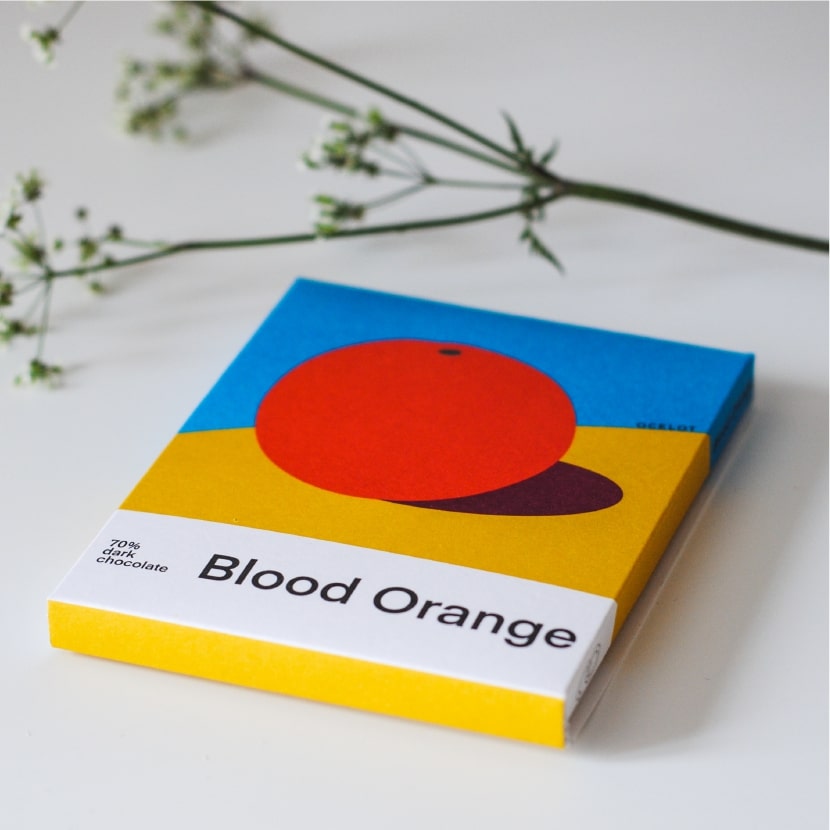
One of the increasingly popular trends in modern packaging is to have a single image spread across multiple sides of the box, where the main side can take up most of the detailed image and the other sides less.
This focuses the consumer's attention on the denser side of the box, which brings out your brand without making the whole design feel too busy.
|
|
Create an out-of-the-box experience
|
|
Material, design, style - these are the basics of product packaging design. Now, you need to bring them all together.
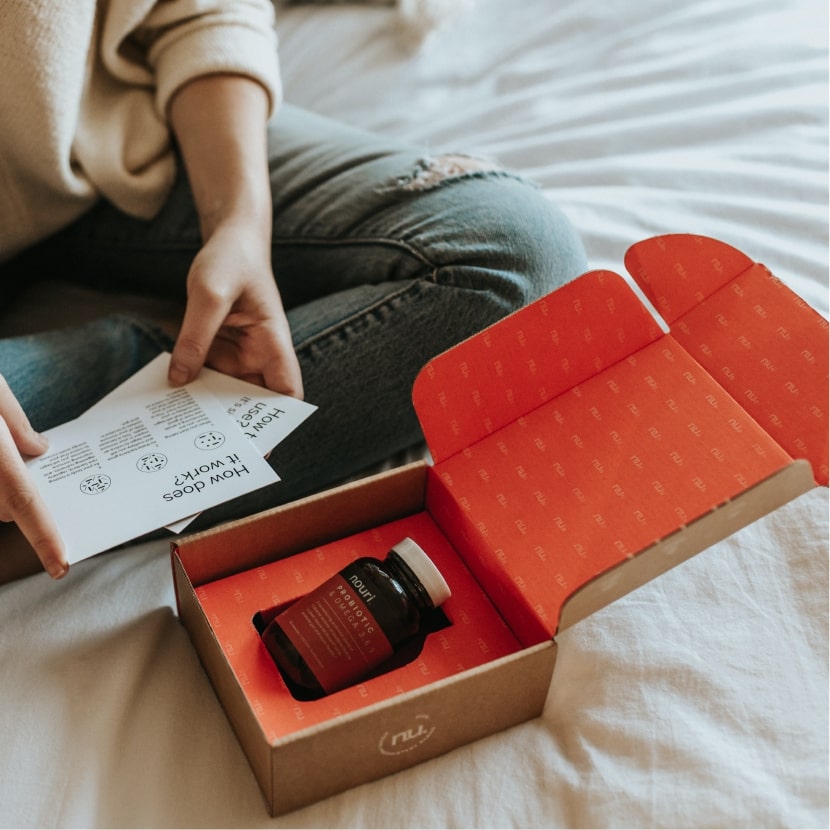
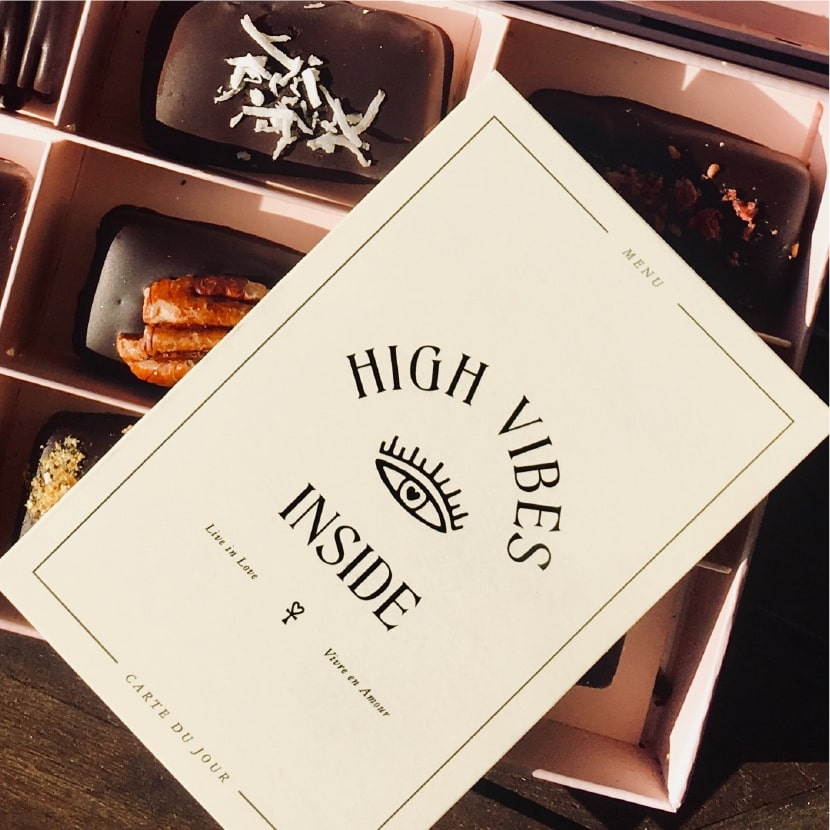
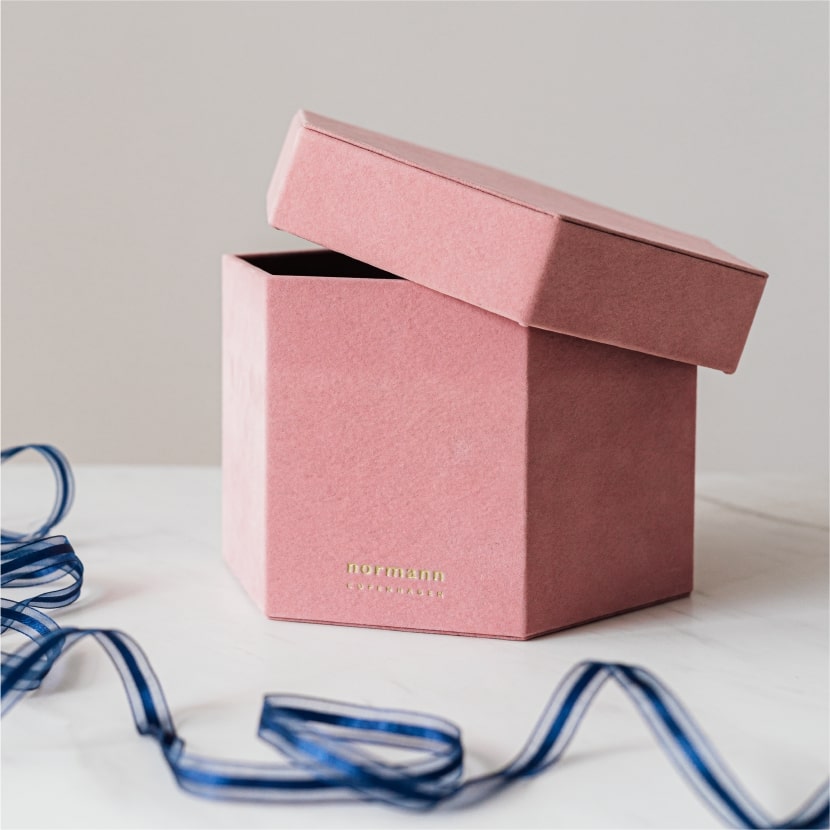
The best way to bring all three elements together is to create an unboxing experience. During the unboxing experience, consumers will be highly aware of your product (and brand), and this is their chance to make a lasting impression, so don't let your customers' expectations be dashed.
No one remembers the brand of the cheap phone cases they buy on Taobao, partly because they are cheap and packaged in a clear plastic bag that basically falls off immediately upon receipt. Instead they remember the cases they bought from Casetify.
|
|
What kind of unboxing experience is your brand giving your customers?
Your brand has to provide value to the user and hopefully a product that solves a problem for them, and when you can do that, the unboxing experience you give them can be a way to turn them into loyal advocates.
|
|
If you've read this far, it means one thing: there's an information explosion going on in your head.
As you can see, product packaging design is much more than just a simple plastic bag or cardboard box, it is a powerful marketing channel that can provide your brand with the professional image it needs to compete in the marketplace.
We hope that the above information will help your brand to stay ahead of the game.
BM Pack can assist you with your packaging needs, from cardboard boxes to foil-stamped grey board cartons, BM Pack can provide your brand with the best packaging solution!
|
|
Customise Your Own Packaging
|
|