|
Color Psychology - Using Color to Create Differentiated Packaging
|
|
What is colour psychology?
|
|
Colour psychology is the study of the effects of different colours on human emotions and behavioural decisions.
In packaging design, colour psychology can be applied to the selection of packaging colours in order to attract consumers, arouse their interest and emotional resonance, thereby increasing brand awareness and sales.
|
|
"Colour can make a brand's presence felt everywhere, and a colour can be a brand's best advocate"
- Paul Rand
|
|
Red is a vibrant, enthusiastic and energetic colour that is often used to highlight a brand's uniqueness and characteristics.
It catches the consumer's eye, arouses their interest and generates positive emotions when making purchasing decisions.
|
|
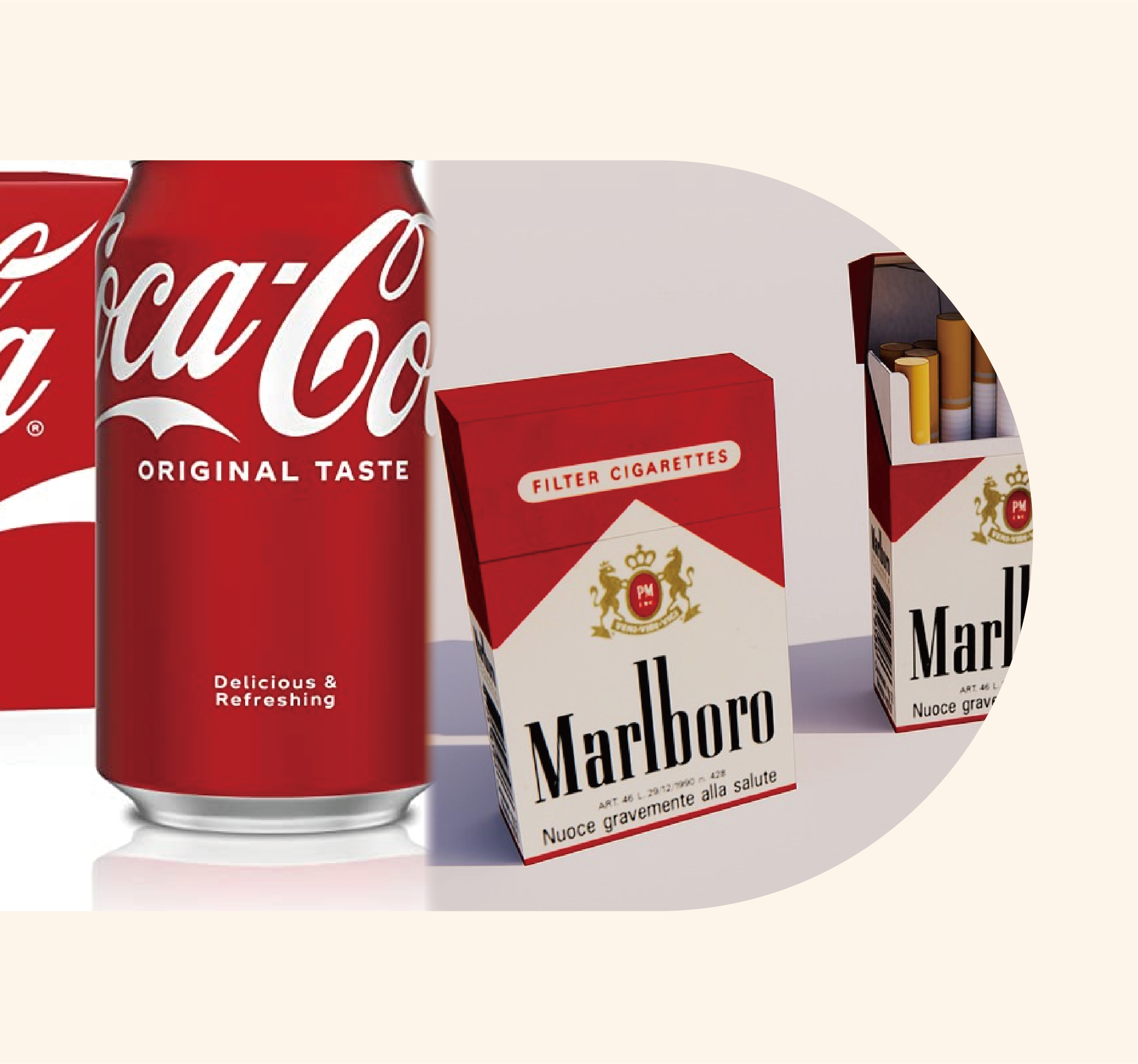
Coca-Cola's packaging design has always used red as the dominant colour, and this bright, saturated red has become a symbol of the brand and one of the most popular brands in the world.
Marlboro, a tobacco brand, uses red as the primary colour in its packaging design, as well as in its brand identity, advertising and promotional activities, creating strong brand recognition.
These famous red packaging designs have successfully created a strong brand image and increased brand awareness and sales through the clever use of colour psychology and brand positioning.
|
|
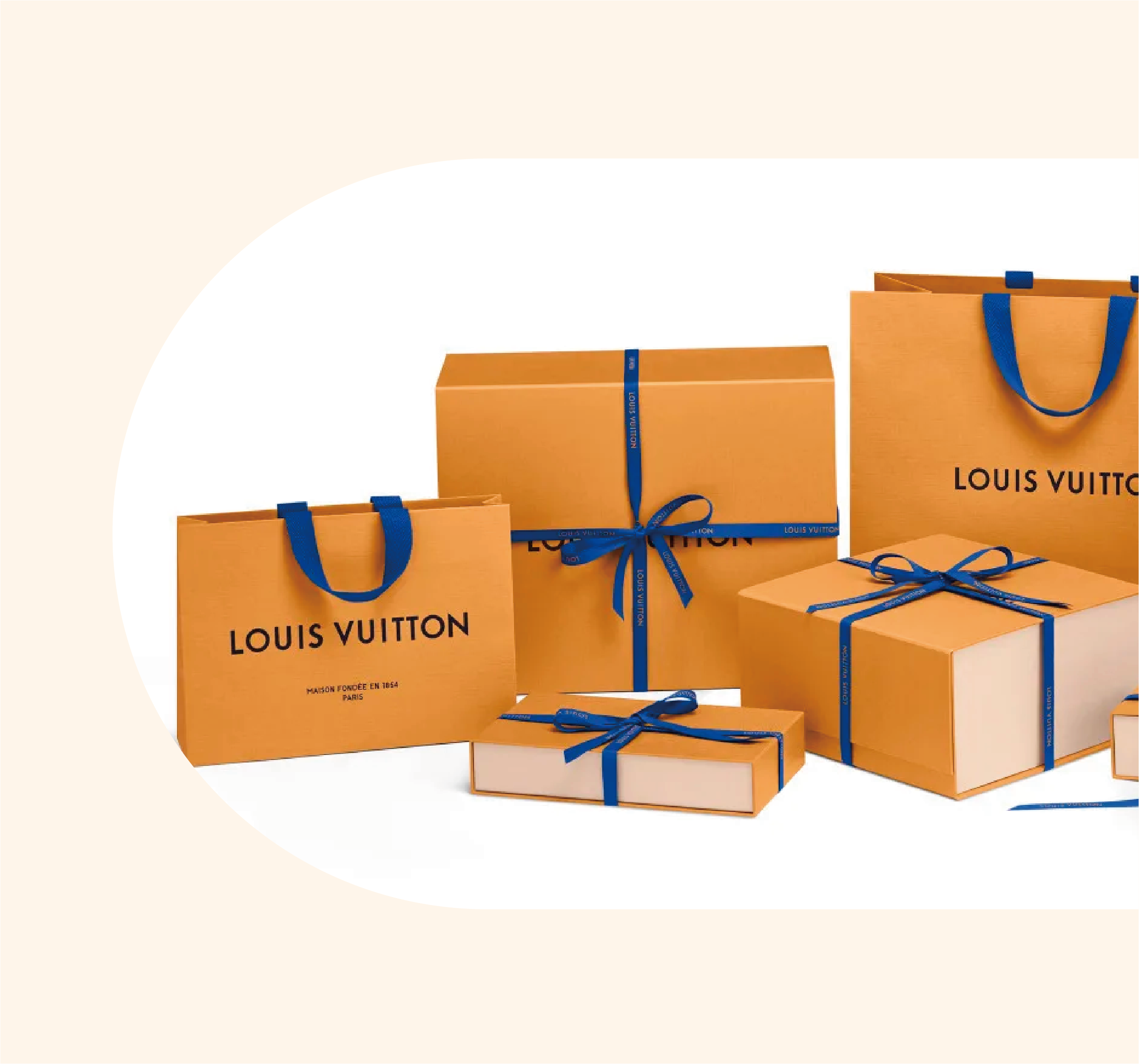
Blue is a colour of tranquillity and trust, and is often used to convey the professionalism and credibility of a brand. It is also commonly used in the packaging of high-end products or services to highlight the high quality and sophistication of the brand.
|
Louis Vuitton is a luxury brand that uses the iconic deep blue and gold colour for its packaging design, which conveys the brand's sense of high-end and elegance.
|
|
There are many other famous blue packaging designs that have successfully utilised the principles of colour psychology to create a strong brand image and earn the brand the trust and loyalty of its customers.
|
|
Yellow is a cheerful, vibrant colour that is often used to convey a brand's sense of optimism and joy, which attracts consumers' attention and creates a pleasurable emotional experience at the point of purchase.
|
|
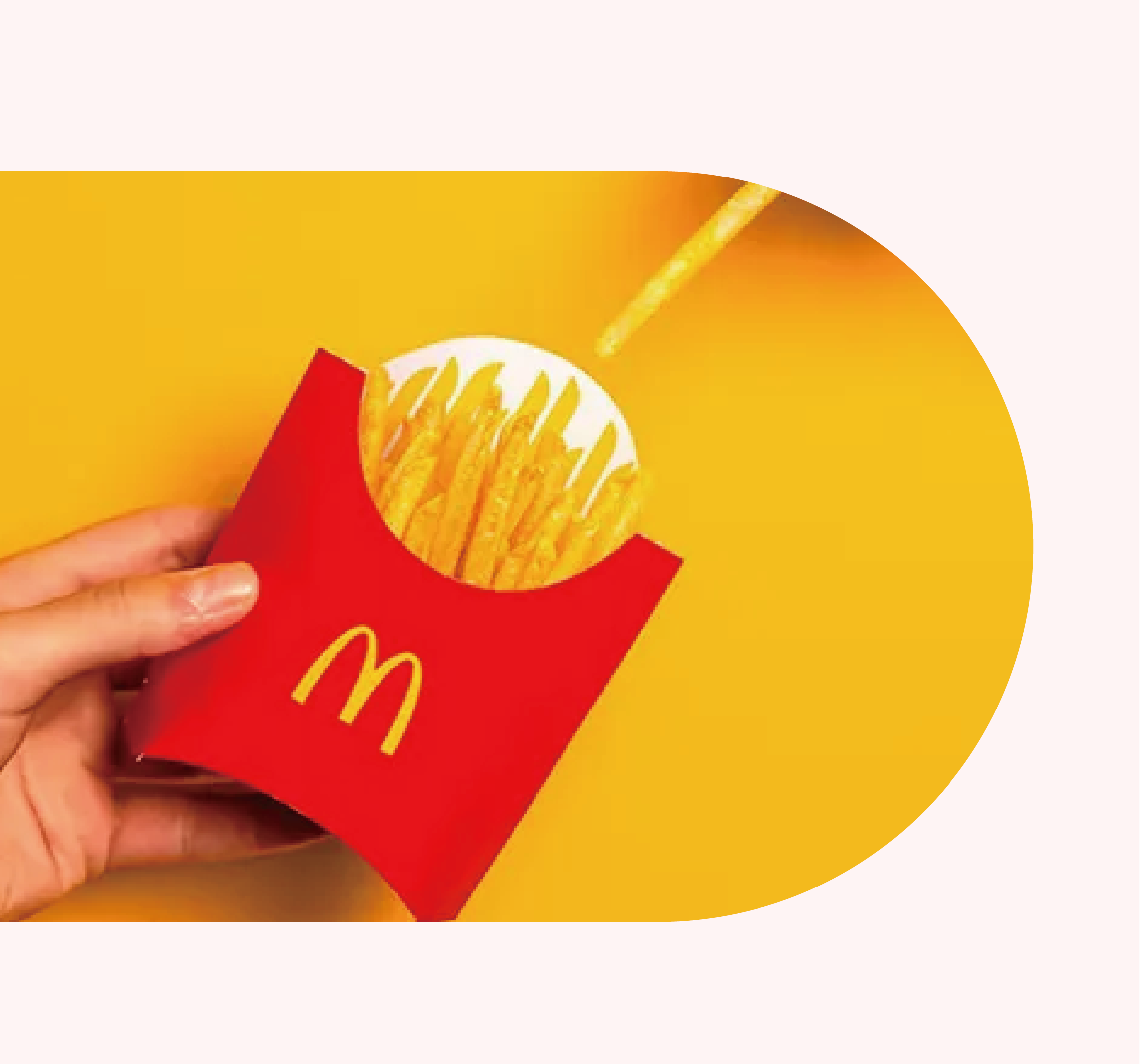
McDonald's international fast food brand uses the iconic yellow and red colours in its packaging design. The design makes the brand easier to identify, while the yellow colour conveys the brand's sense of joy and energy.
|
|
Green is a balanced, reassuring and healthy colour that is often used to convey the brand's natural, eco-friendly and healthy attributes. It is also commonly used in food and beverage packaging to reinforce the impression that the product is healthy and natural.
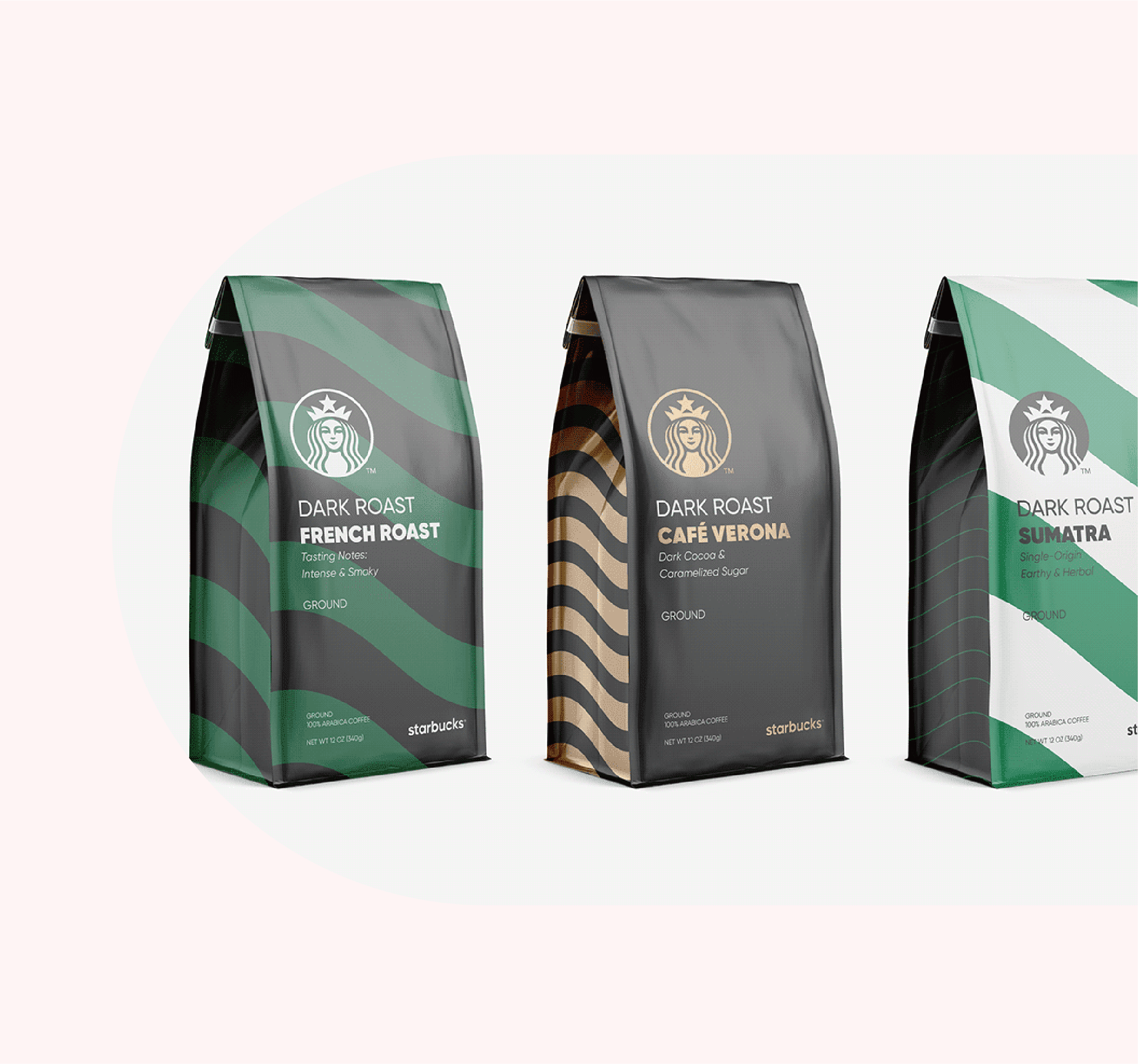
Starbucks is an international coffee brand with an iconic green logo that has become the brand's signature. Its green packaging design also uses a lot of green elements to convey the brand's concept of environmental protection, freshness and health.
These famous green packaging designs make use of the principles of colour psychology to fully convey the core values of the brand, enhance the brand image and win more attention and support for the brand's development.
|
|
Purple is a mysterious, elegant and noble colour that is often used to convey a sense of high-end, elegant box sophistication. It is also commonly used in the packaging of cosmetics and perfumes to enhance the brand's sense of nobility and sophistication.
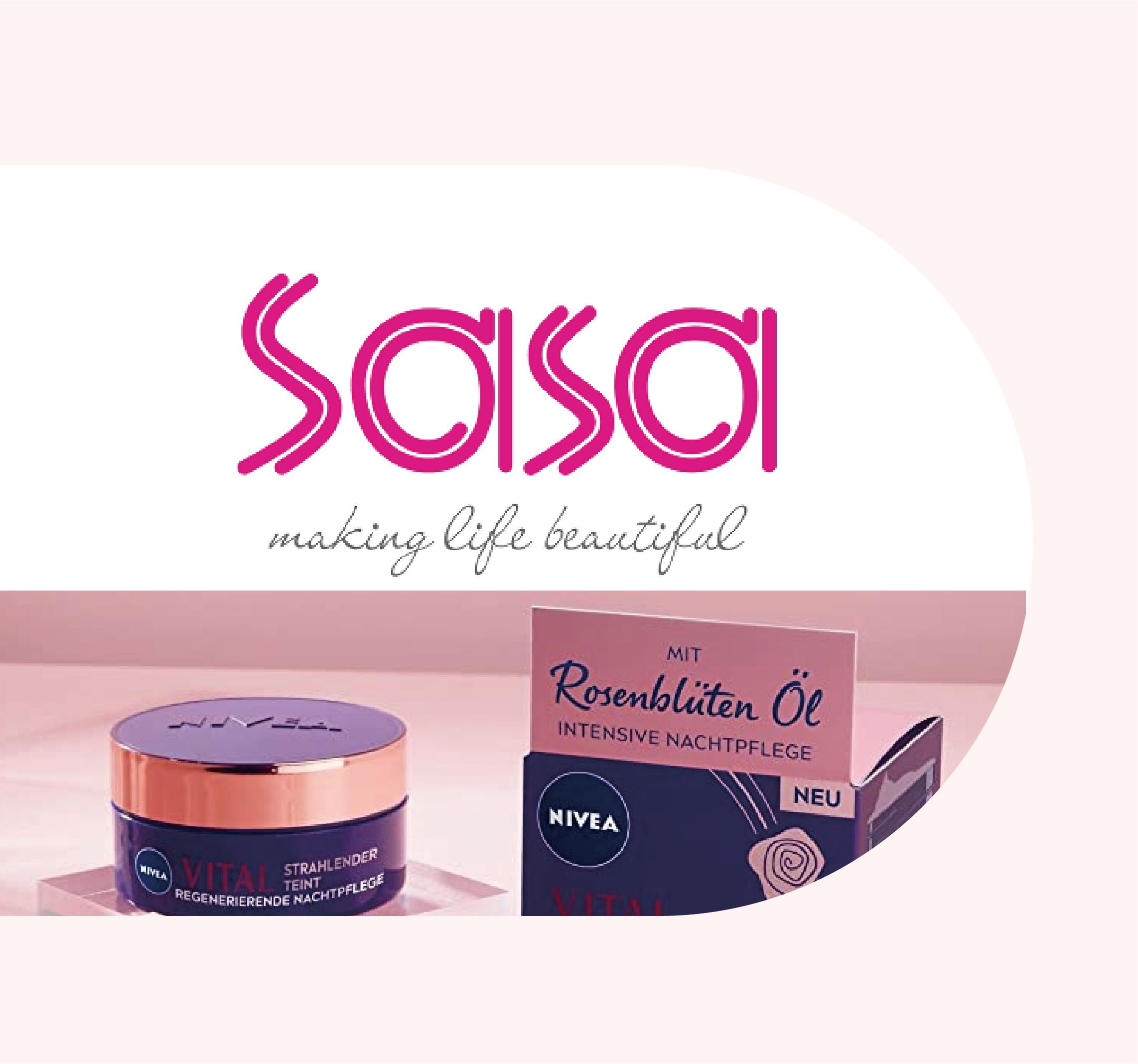
NIVEA is an international cosmetic brand and its famous blue canister has become the brand's representative. However, NIVEA also uses the colour purple in the packaging design of some special products, such as NIVEA's whitening skincare products.
SASA is a Hong Kong cosmetic chain, its green packaging design, there are often purple elements, especially in a certain kind of pre-lip gloss, nail polish related products.
|
|
Overall, colour psychology can help brands choose the most appropriate packaging colours. To attract target consumers, arouse their interest and emotional resonance, thus increasing brand awareness and sales.
|
|
Customise Your Own Packaging
|
|