
Designer's Essentials|The Attachable Printing Processes for Packaging
Discover essential packaging techniques that every designer must know. Enhance your knowledge of supplementary manufacturing processes. Explore now!
Designer's Essentials
—
The Attachable Printing Processes for Packaging
Printing process is a visual, tactile information printing reproduction of the whole process, including pre-press, printing, post-press processing and sending. It is a collection of photography, art, craftsmanship, chemistry, electronics, computer software, hardware technology, plus environmental considerations of the complexity and test of a strong technology. Through coordination, photography, word processing and art design, editing, colour separation, plate making, printing, post-press moulding and processing, the technology of reproducing art, words and images in batch according to demand.
01 |Foil / Silver Stamping
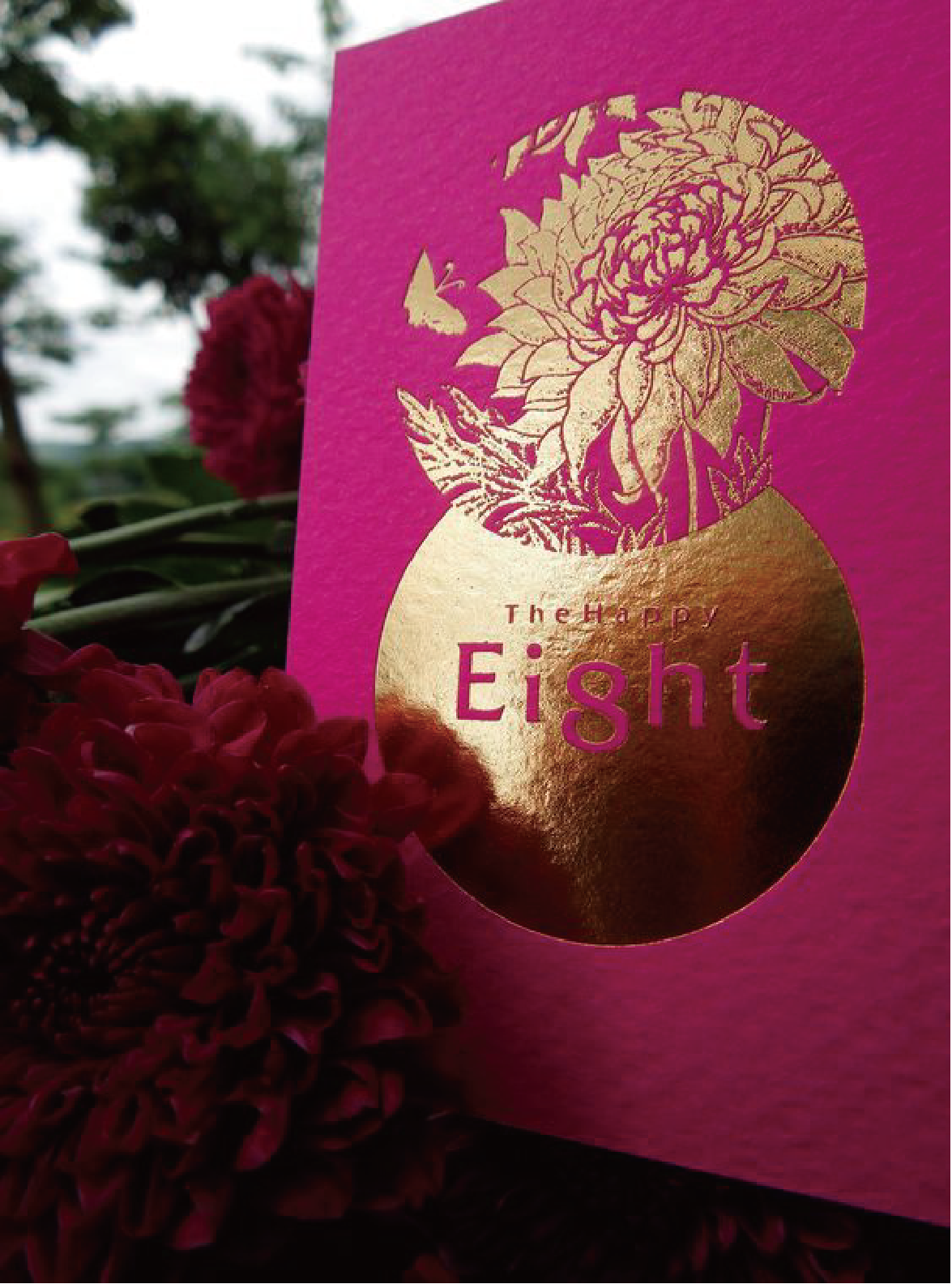
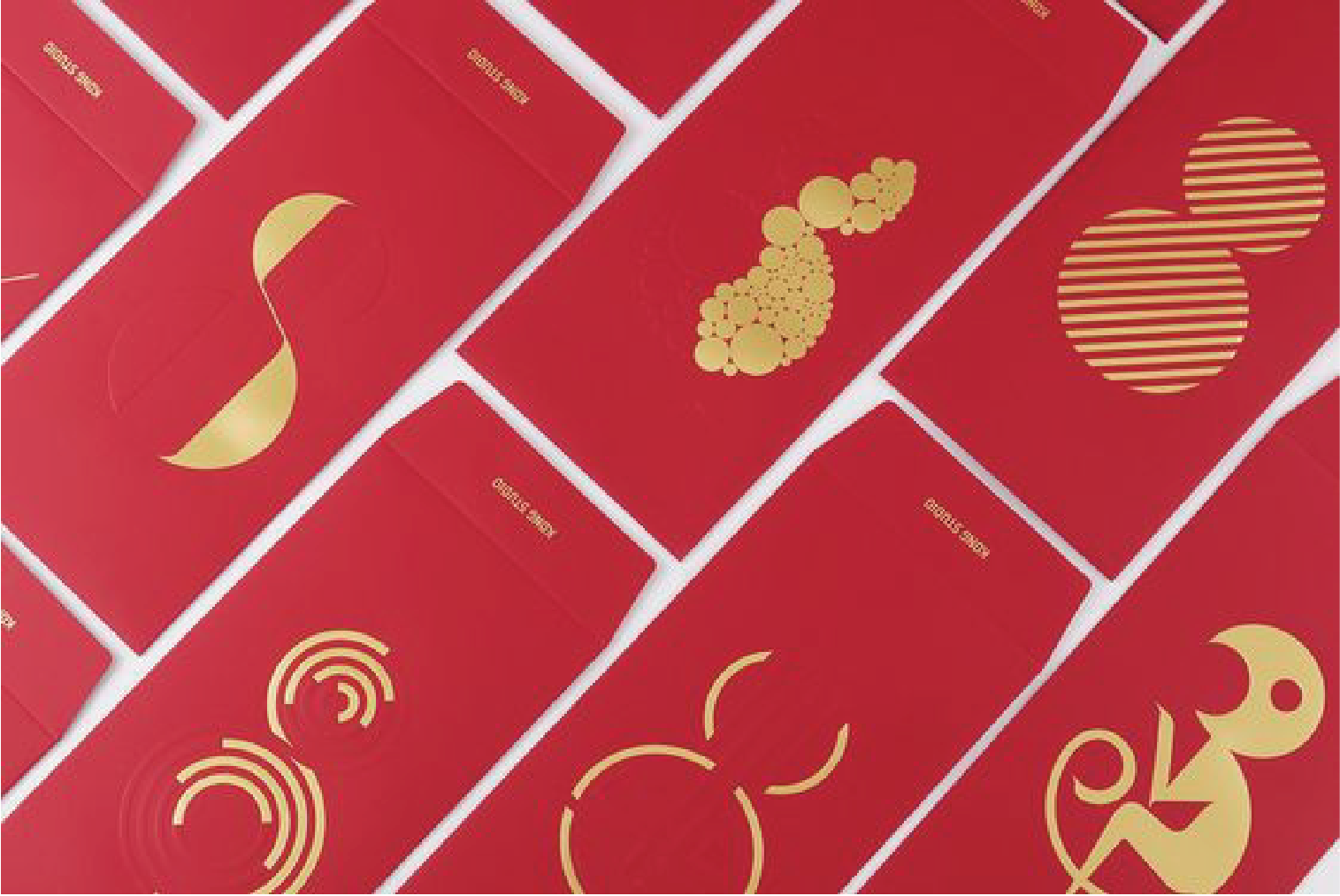
The formal name is heat transfer printing, abbreviated as thermal transfer printing, commonly known as hot foil stamping or hot silver stamping. It is a method of stamping metal foil onto printed materials by means of certain pressure and temperature, and there is also a cold transfer printing.
02|Die Cutting
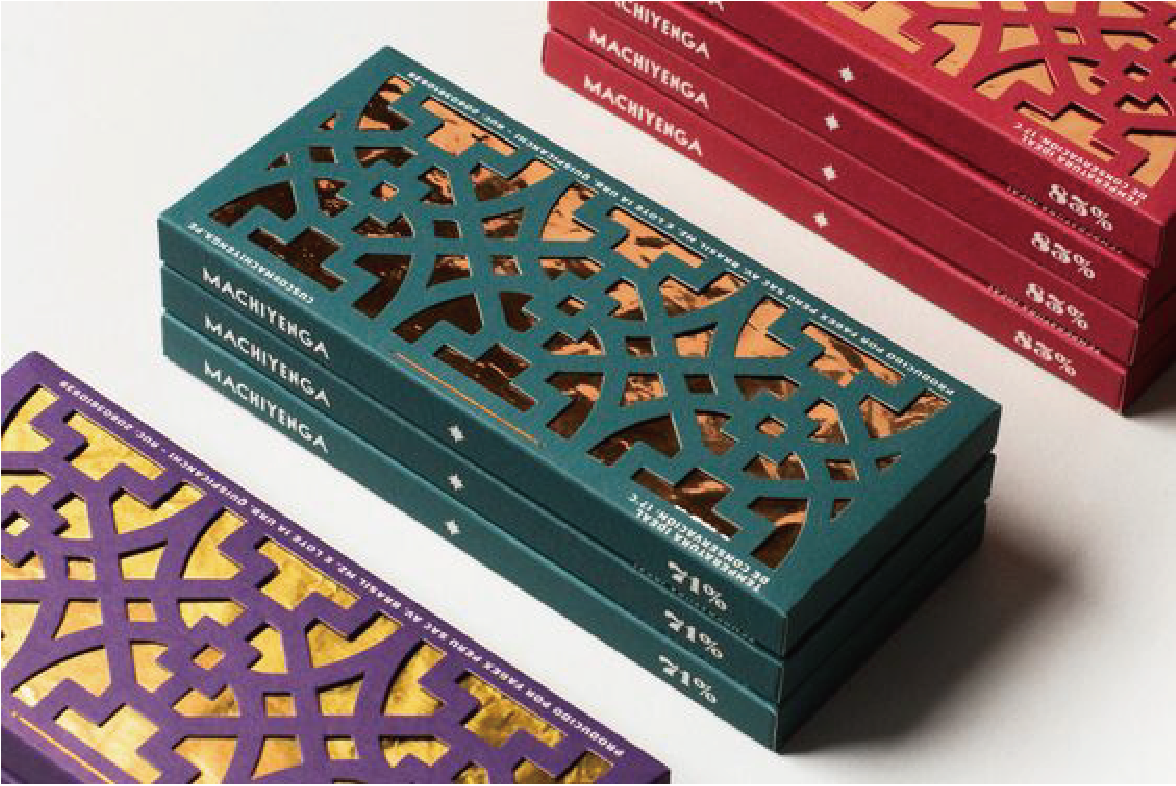
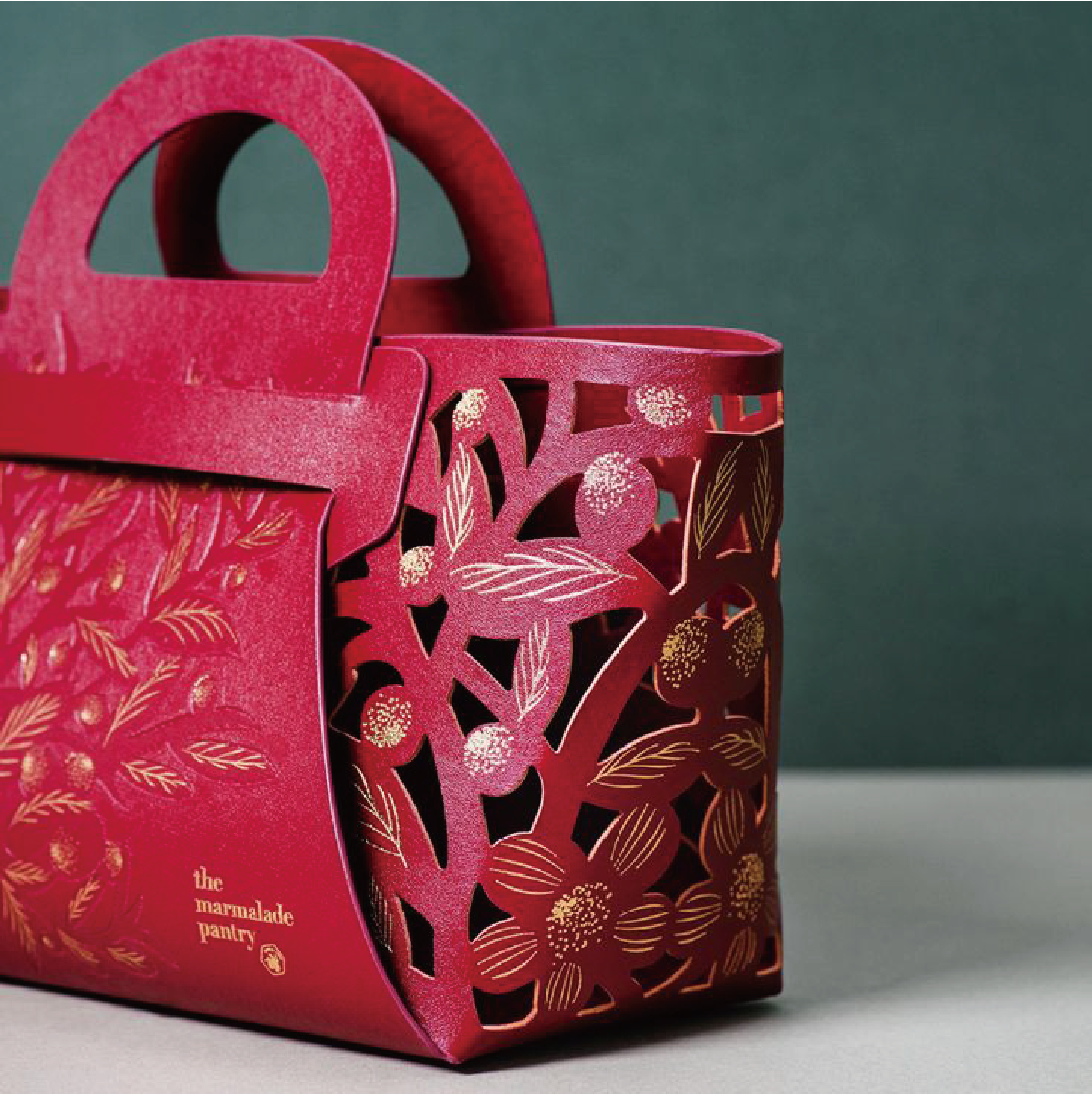
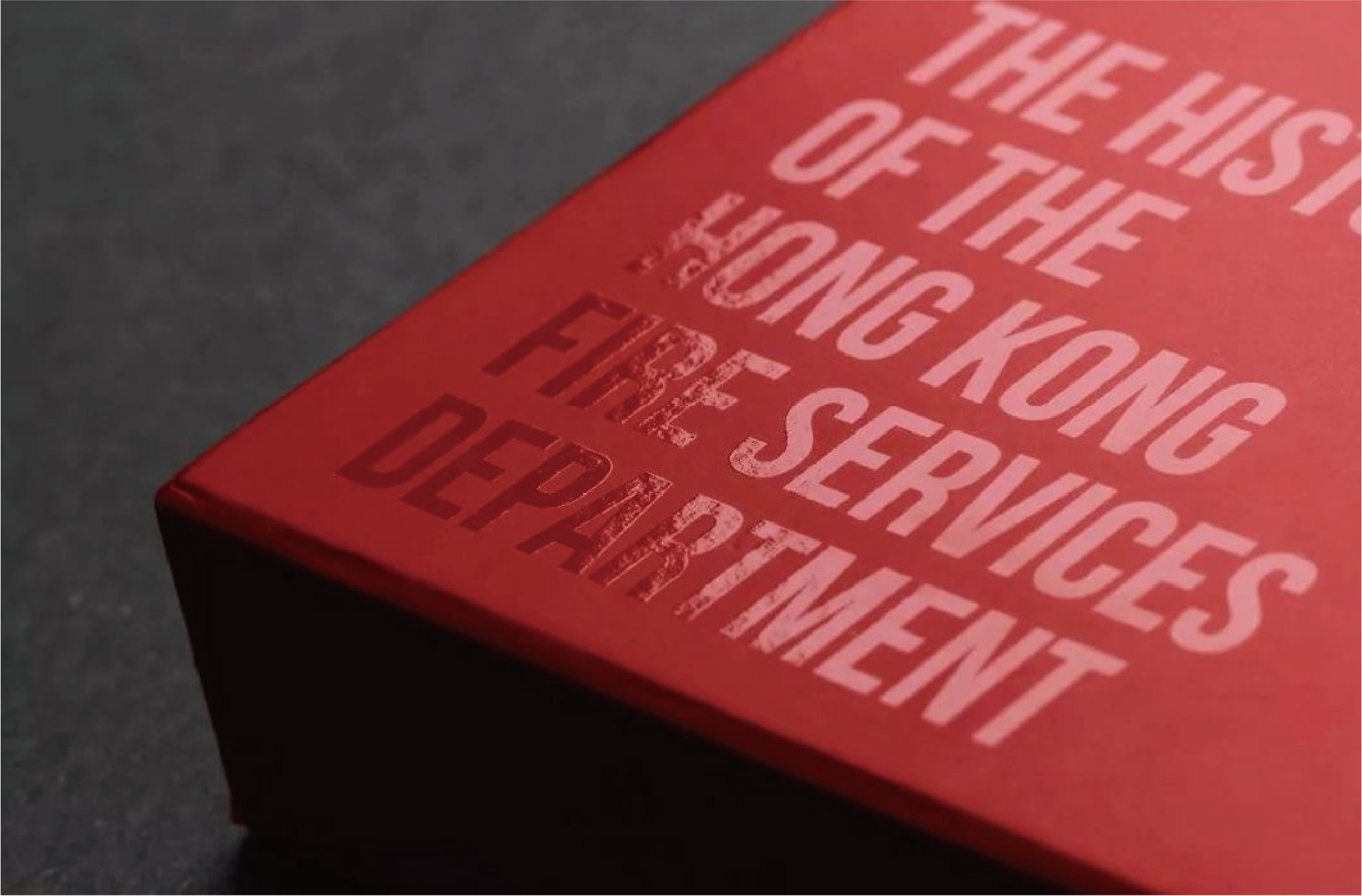
Die-cutting is the process of making special die-cutting knives according to the design requirements of the printed materials, and then rolling the printed materials or other substrates into the required shapes or cuts under pressure.
03 |Ultraviolet (UV)
UV is an abbreviation for Ultraviolet Varnishing, which is the drying and curing of ink by ultraviolet radiation. UV is usually a screen printing process, and now there is also offset printing UV. If UV is used on the film, it is necessary to use a special UV film, otherwise it is easy to peel off, blistering and other phenomena.
04|Embossing
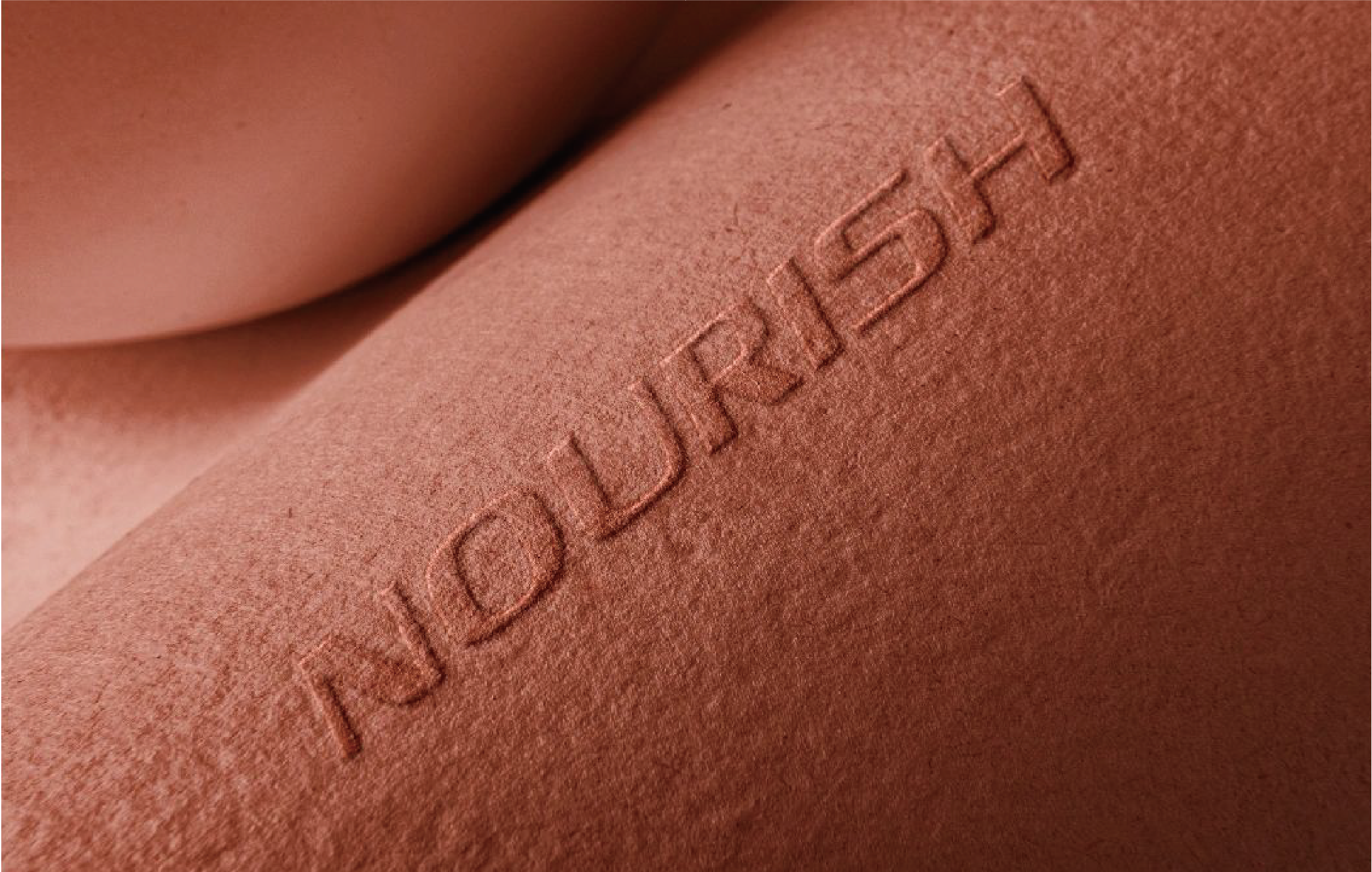
The surface of the printed matter is embossed with a three-dimensional relief pattern using a convex template (anodised template) under pressure. The printed matter is partially raised to give it a three-dimensional feeling and create a visual impact.
05|Concave
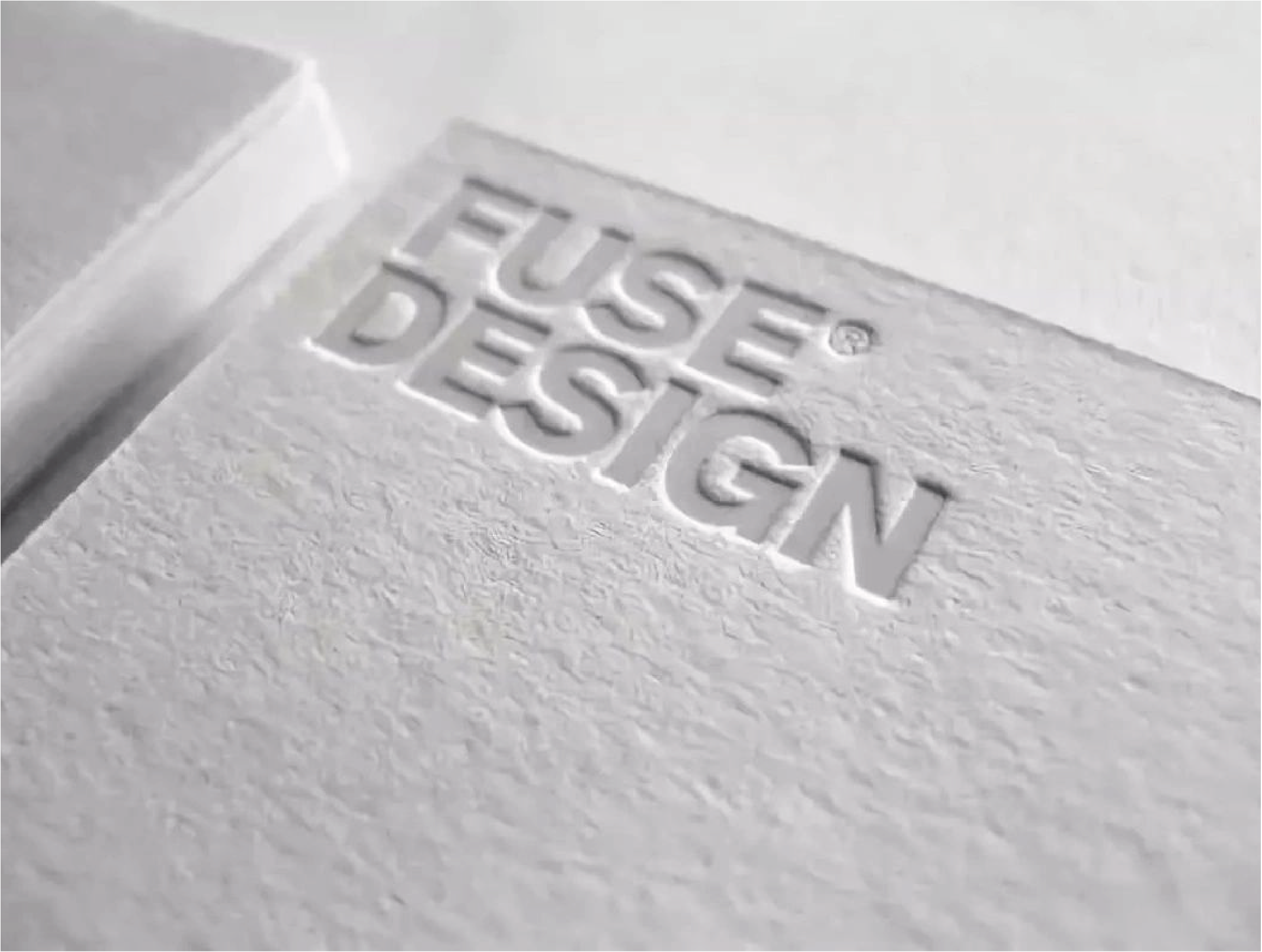
A concave stencil (negative stencil) is used to emboss the surface of printed matter into a relief pattern with a sense of concavity by applying pressure. Partial depressions in the printed matter give it a three-dimensional feel and create a visual impact.
06|Embossing
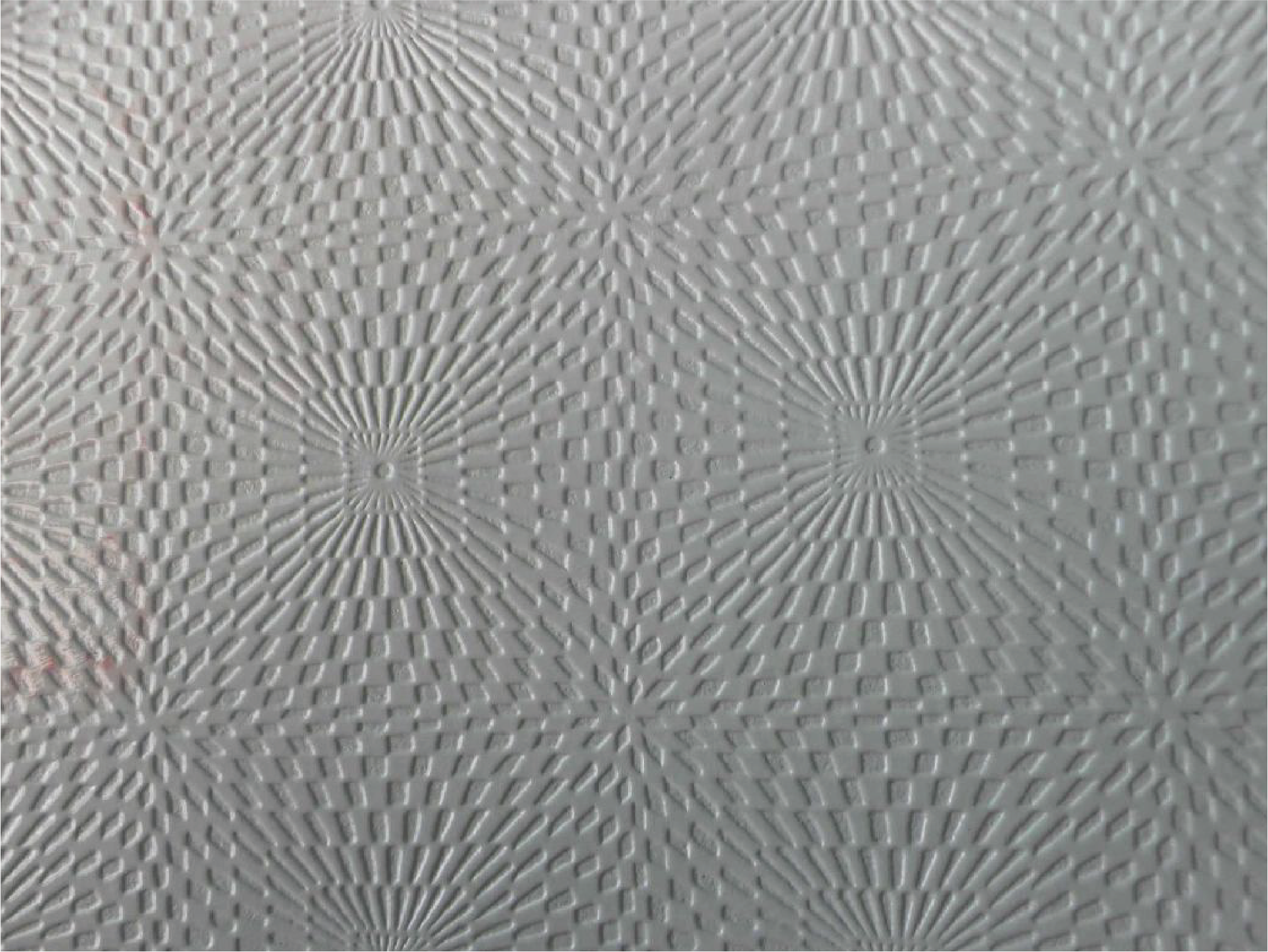
The use of engraved metal rollers to leave a full texture on the surface of the paper after applying pressure.
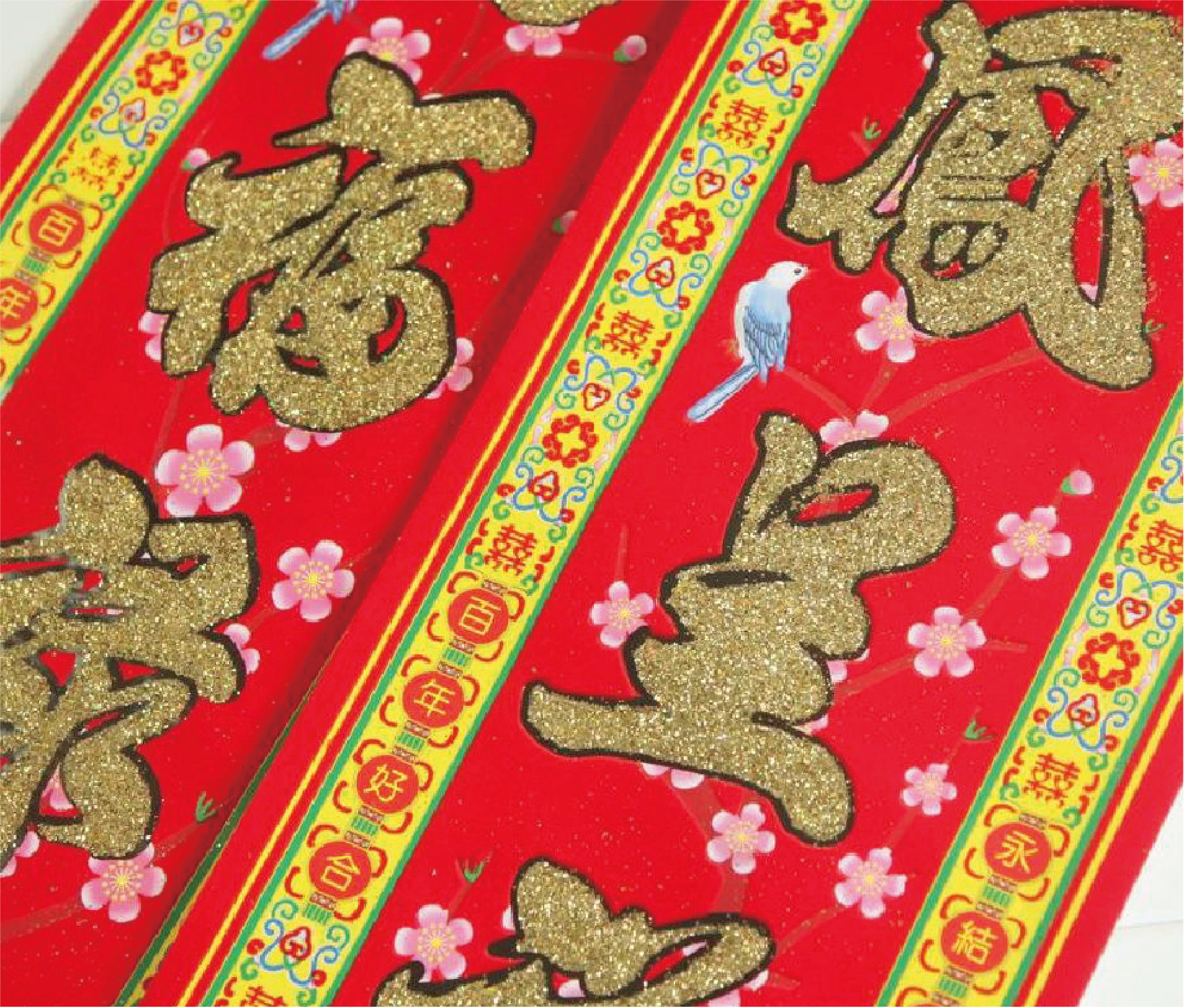
07|Golden dust
It is to pass a layer of glue on the paper, and then sprinkle golden powder on the glue.
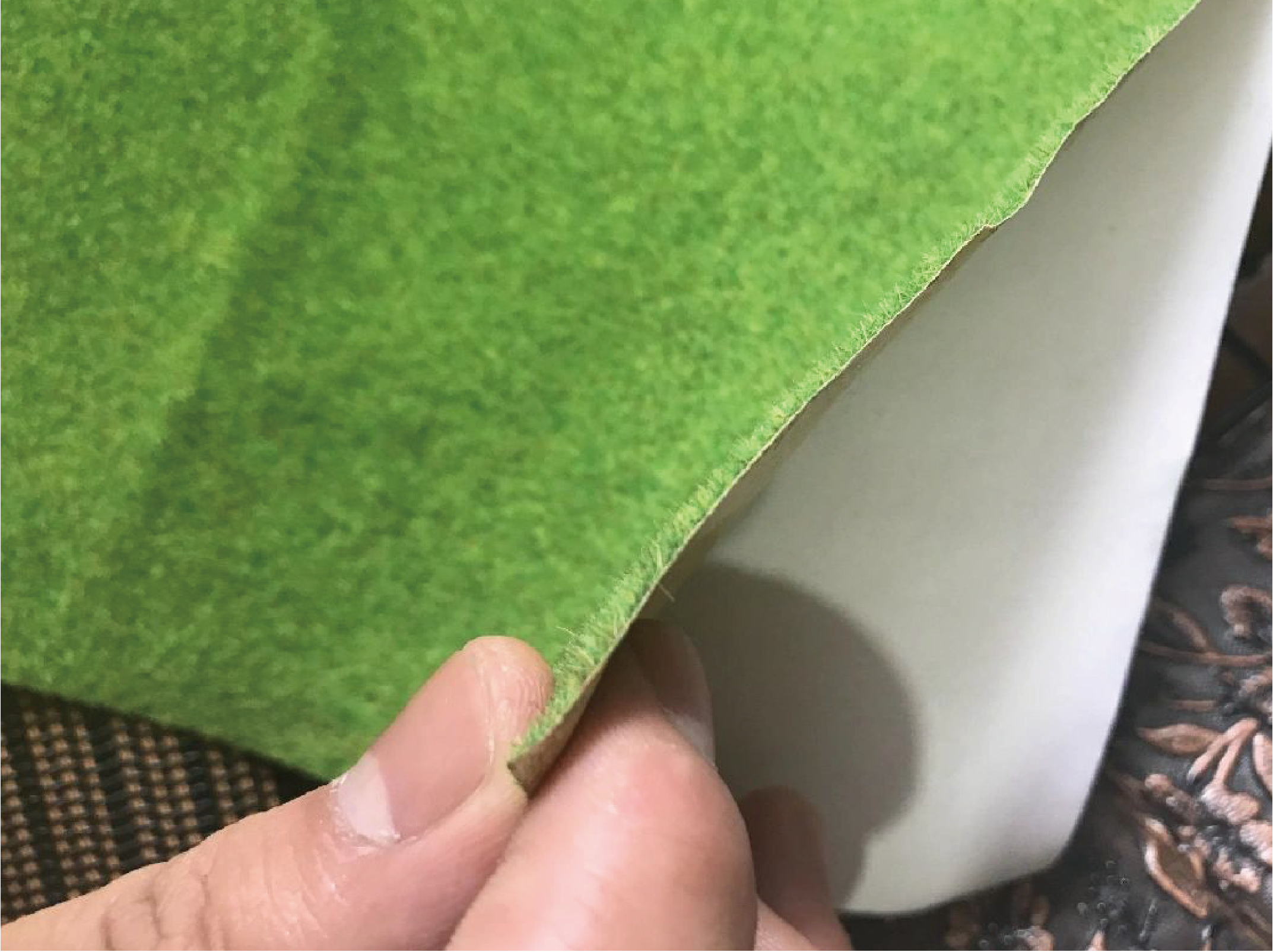
08|Flocking
It is to brush a layer of glue on the paper, and then paste a layer of fluff-like material, so that the paper looks and feels a little bit like velvet.
09|Laminating
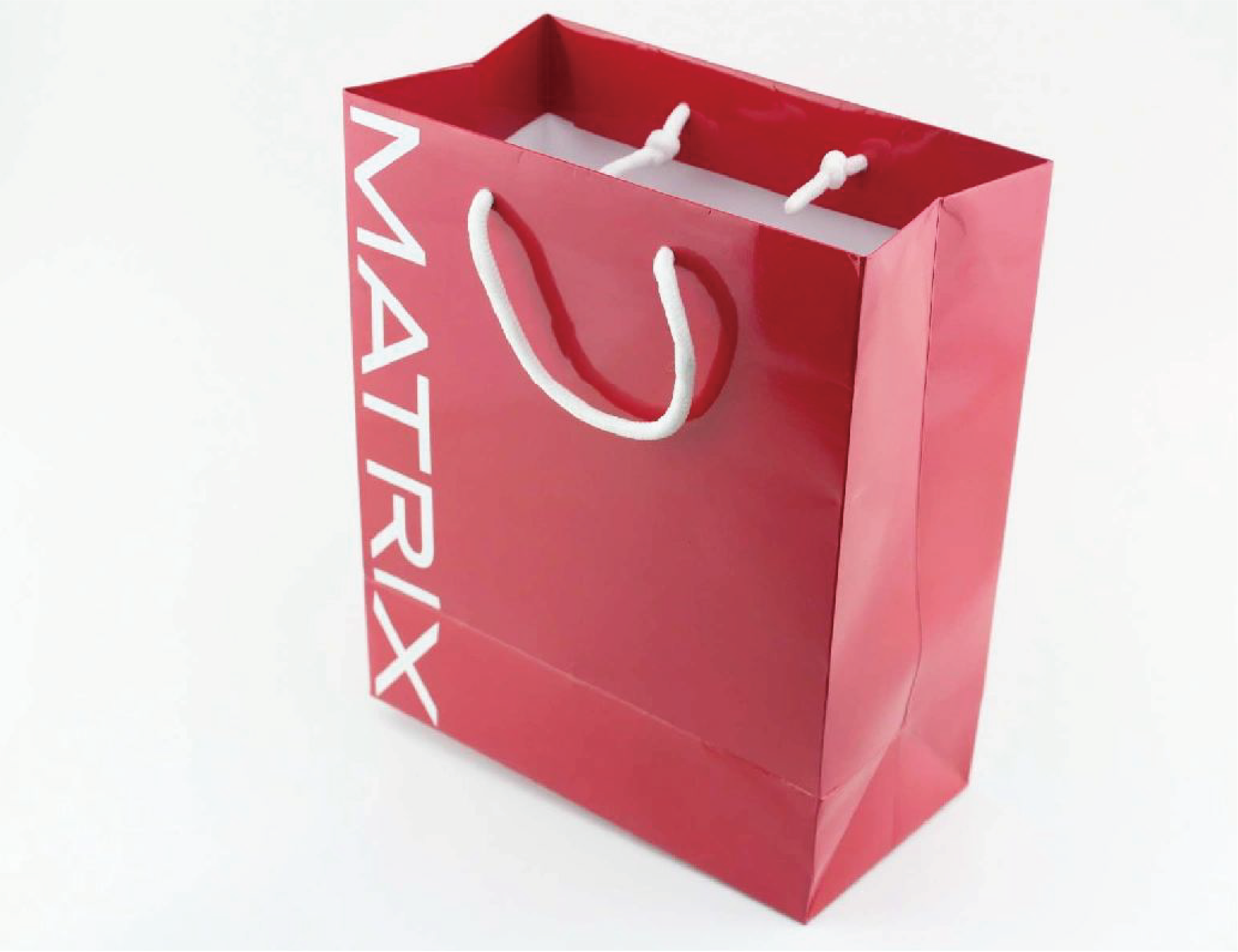
To the printed paper pressed a layer of transparent plastic film, there are crystal film, light film and matte film, many places called some different, not environmentally friendly.
Customised packaging adds more value to your brand